
Study reveals why birds sing more at dawn in tropical forests
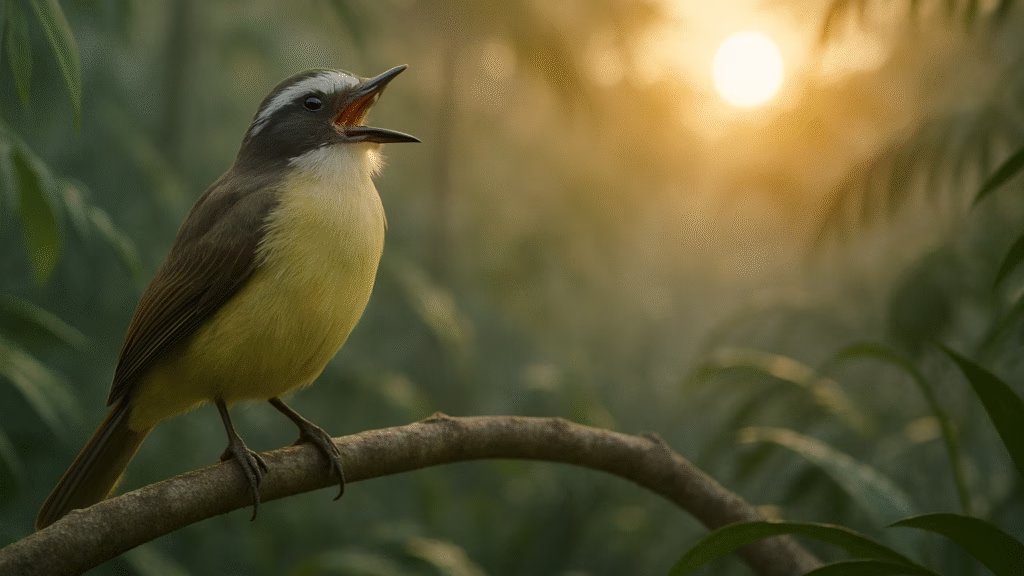
Cornell University researchers find territorial behaviour and omnivorous diets drive increased dawn singing among tropical birds.
Even bumble bee queens need personal days, too
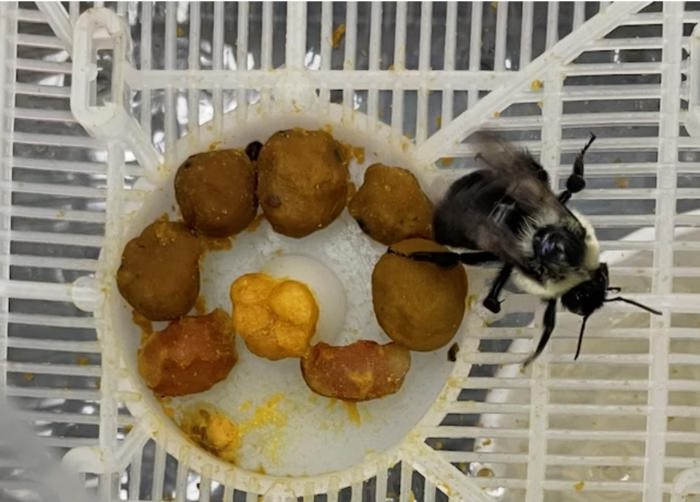
UC Riverside study finds queens pause egg-laying to conserve energy, ensuring colony survival during vulnerable early days.
Understanding the mechanisms of embryonic cell behaviour
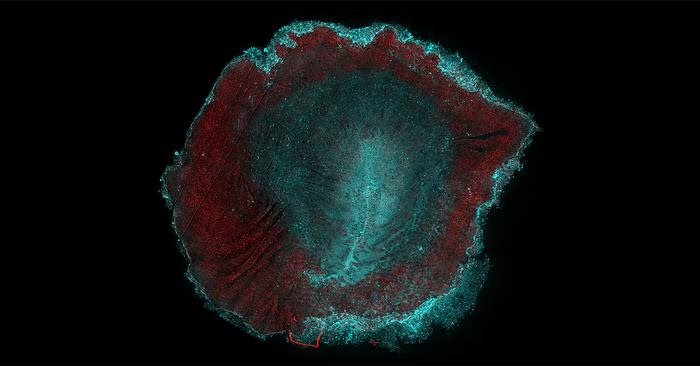
University of California – San Diego reveals avian embryos use modular mechanisms to control size and shape.
Bed bugs are most likely the first human pest, 60,000 years and counting

Virginia Tech researchers reveal bed bugs’ evolutionary link to humans, tracing origins back to Neanderthal era.
New find: Chimpanzees are capable of complex communication

Max Planck Institute researchers uncover chimpanzees combining different calls to create new meanings, similar to humans.
Street smarts: how a hawk learned to use traffic signals to hunt more successfully

Researchers at the University of Tennessee discover a young hawk using vehicle queues on particular signal phases to surprise prey.
Can plants hear their pollinators?
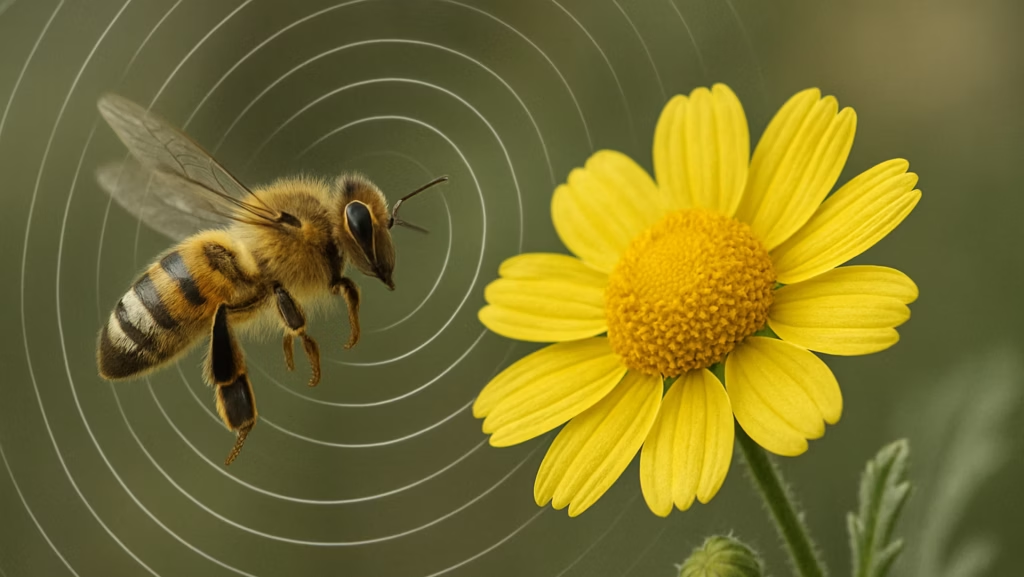
University of Turin researchers discover plants increase nectar production in response to specific pollinator buzzing sounds.
Are groovy brains more efficient?

University of California, Berkeley researchers find deeper brain grooves enhance connectivity, improving reasoning and cognitive functions.
Capuchin monkeys develop bizarre “fad” of abducting baby howlers
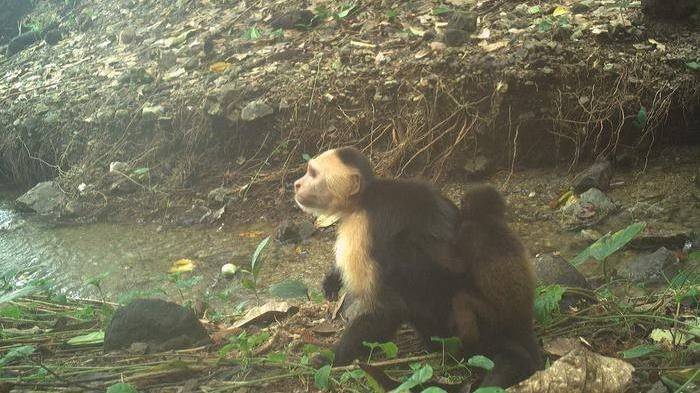
Researchers from the Max Planck Institute observed the strange animal behaviour on Jicarón Island, Panama, using motion-triggered cameras.
Chimpanzees use medicinal leaves to perform first aid
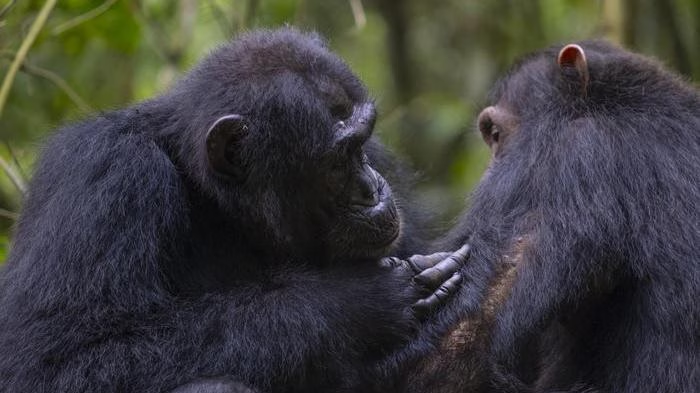
University of Oxford researchers discover chimpanzees in Uganda using plants to treat wounds in their community.