
Study reveals why birds sing more at dawn in tropical forests
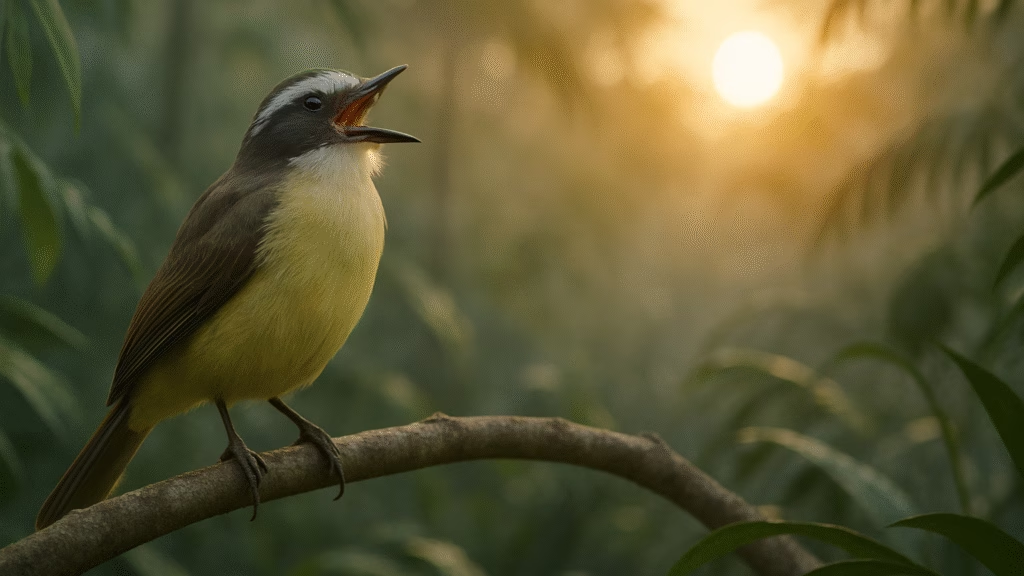
Cornell University researchers find territorial behaviour and omnivorous diets drive increased dawn singing among tropical birds.
Pasteurizing fruit smoothies could improve digestion of beneficial polyphenols

University of Navarre researchers find high-temperature pasteurisation increases polyphenol absorption by gut microbiome by 44%.
AI identifies key gene sets that cause complex diseases
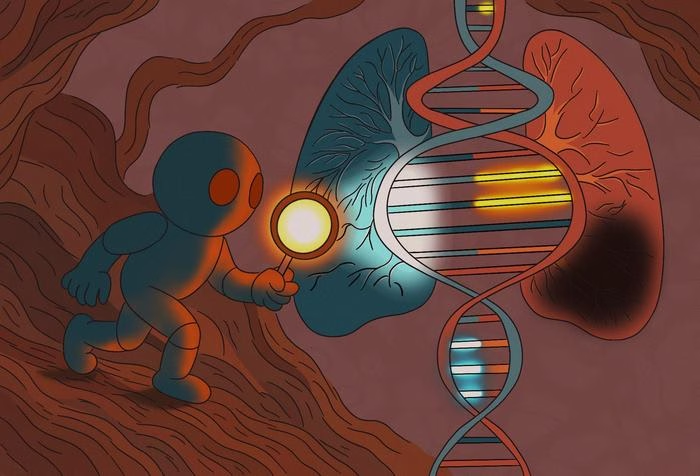
Northwestern University researchers develop AI tool to uncover gene networks, paving the way for personalised treatments.
Humans have unique breathing “fingerprints” that may signal health status

Weizmann Institute of Science discovers nasal breathing patterns can identify individuals and correlate with mental health.
Lymph node on a chip: New immune system model may enhance precision medicine research
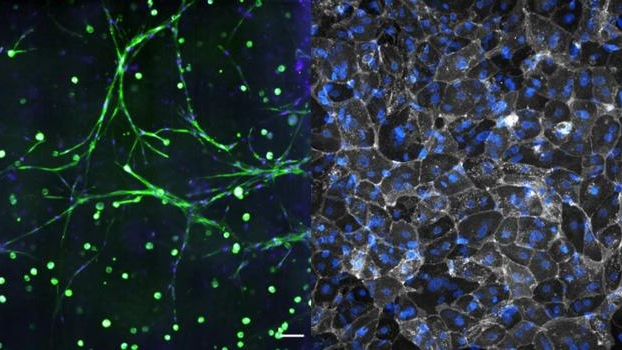
Virginia Tech and University of Virginia collaborate to develop bioengineered lymph node model, advancing cancer metastasis studies.
Creatine is safe, effective and important for everyone, longtime researcher says

Texas A&M University study reveals creatine’s role in improving cognitive function and muscle mass across all ages.
Sniffing out hunger: a nose-to-brain connection linked to appetite
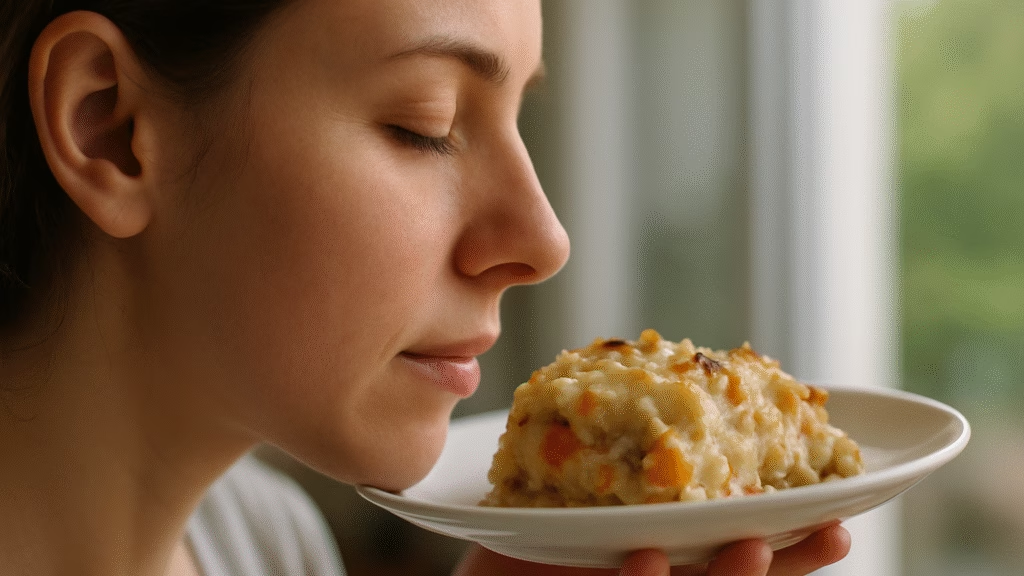
Researchers at the Max Planck Institute find specific nerve cells in mice that regulate appetite through smell.
Even bumble bee queens need personal days, too
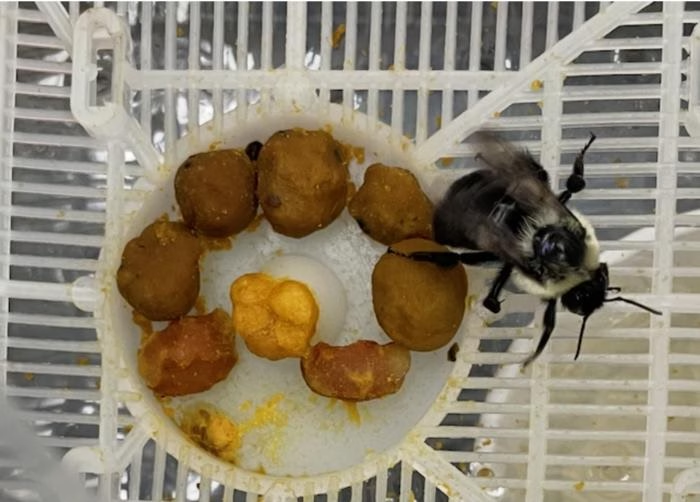
UC Riverside study finds queens pause egg-laying to conserve energy, ensuring colony survival during vulnerable early days.
Locations of treats are stored in specialized neural maps
Stanford University researchers find adaptable neural maps in mice, revealing insights into dementia and addiction behaviours.
Understanding the mechanisms of embryonic cell behaviour
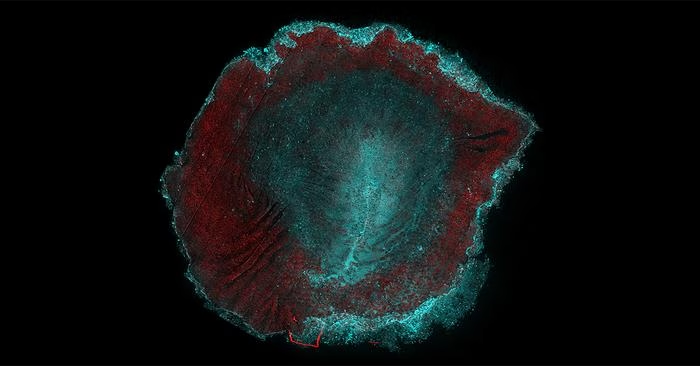
University of California – San Diego reveals avian embryos use modular mechanisms to control size and shape.