
Thinking in sync: How brain rhythms support intelligence
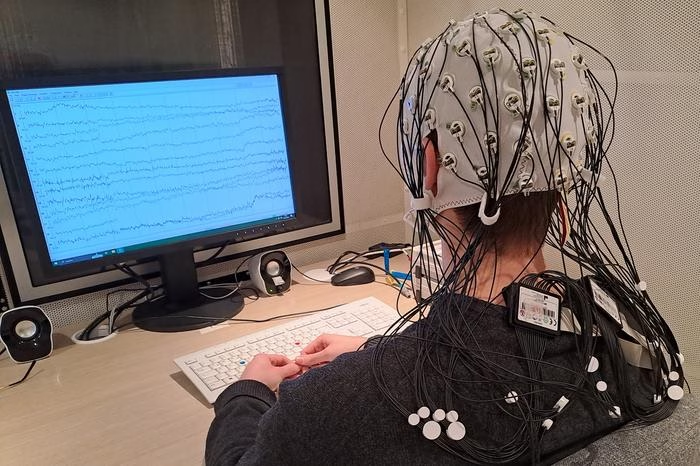
Researchers at Johannes Gutenberg University Mainz discover midfrontal theta wave synchronisation enhances cognitive flexibility and focus.
What the human brain can do that AI can’t
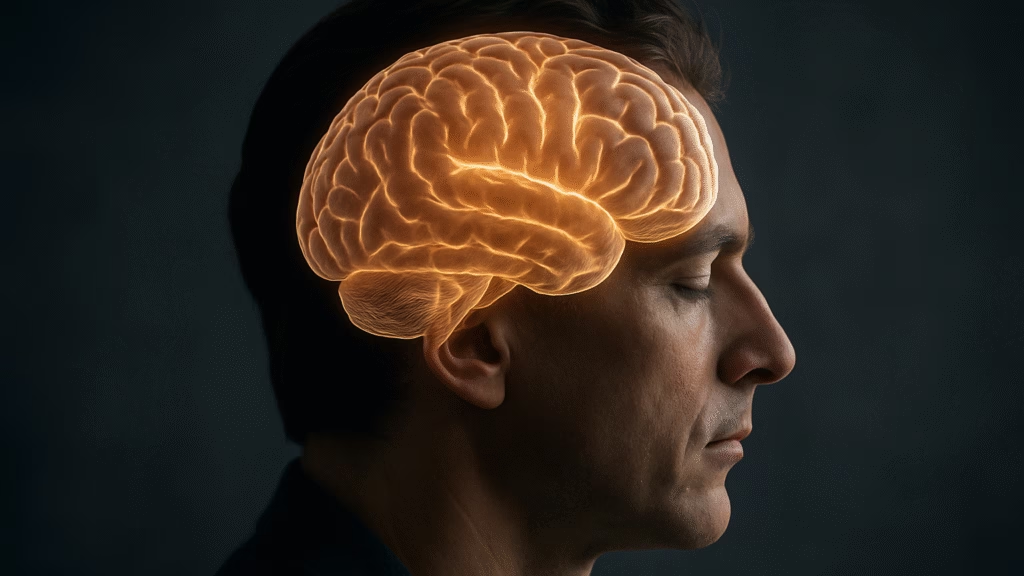
University of Amsterdam researchers reveal unique brain activations, showing AI’s limitations in understanding action opportunities.
Sniffing out hunger: a nose-to-brain connection linked to appetite

Researchers at the Max Planck Institute find specific nerve cells in mice that regulate appetite through smell.
Locations of treats are stored in specialized neural maps
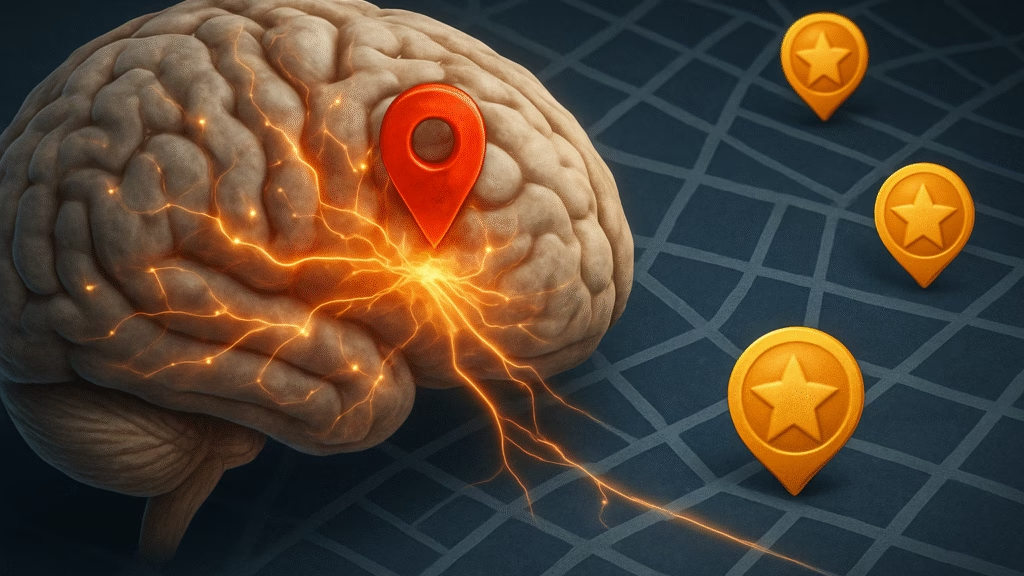
Stanford University researchers find adaptable neural maps in mice, revealing insights into dementia and addiction behaviours.
First-of-its-kind technology helps man with ALS ‘speak’ in real time
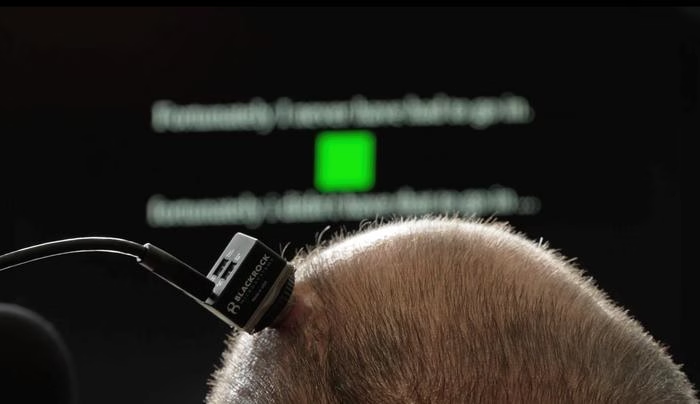
University of California, Davis researchers develop brain-computer interface allowing ALS patient to communicate with expressive intonation.
How the brain solves complicated problems
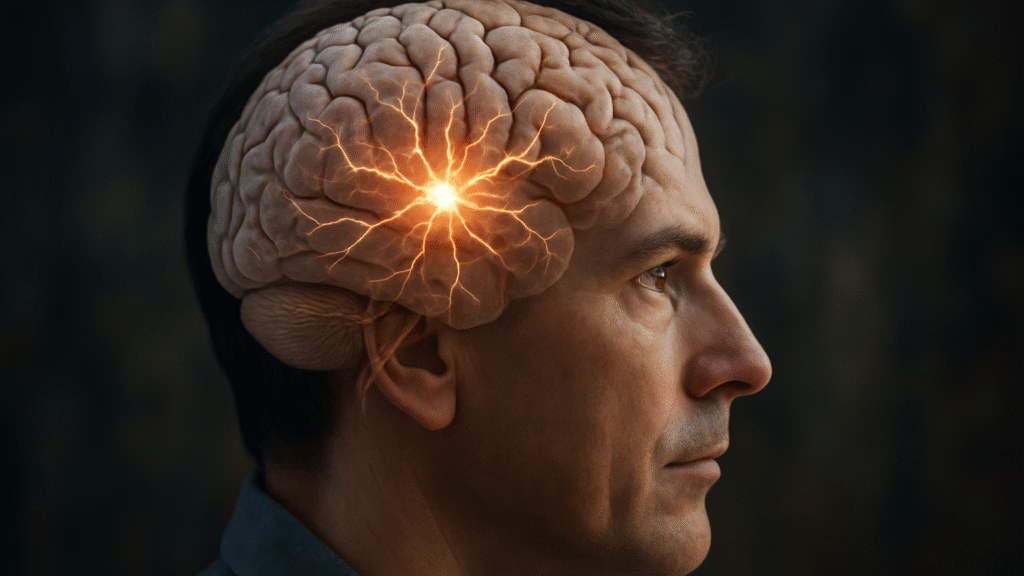
MIT researchers uncover how humans use hierarchical and counterfactual reasoning strategies to navigate complex mental tasks.
From puck drop to brain pop: Analysing hockey fan reactions
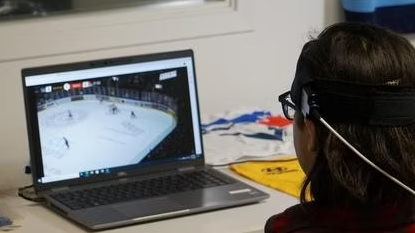
University of Waterloo researchers discover passionate hockey fans’ brains show heightened activity during offensive faceoff moments.
Tiny device spins blood clots away
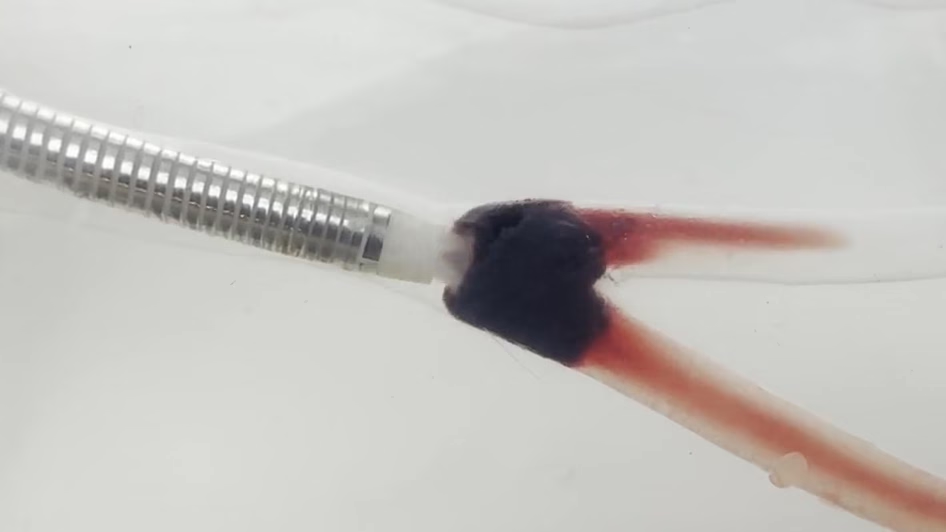
Stanford University develops milli-spinner thrombectomy, doubling clot removal efficacy and offering new hope for stroke patients.
New brain-reading video game reduces chronic nerve pain
University of New South Wales researchers develop innovative EEG-based interactive game that trains people to alter their brain waves.
Electronic face tattoo gauges mental strain
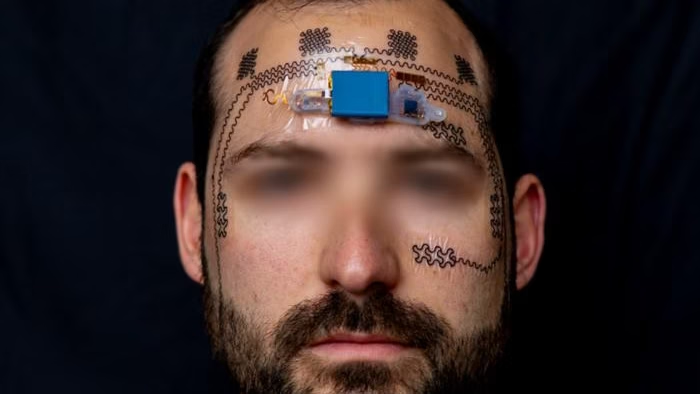
University of Texas researchers develop low-cost, wireless e-tattoo for personalised mental workload monitoring and prediction.