
Tens of millions of nanoneedles could replace painful cancer biopsies
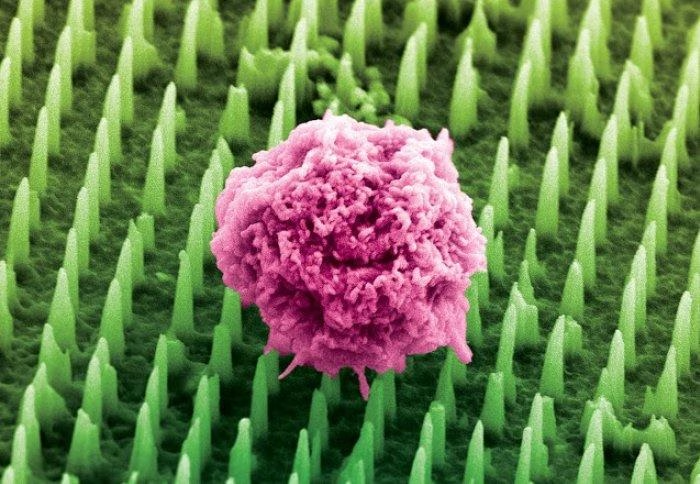
King’s College London develops painless nanoneedle patch, offering real-time molecular insights for disease monitoring.
Koalas set to benefit from new genetic screening tool

University of Queensland researchers develop tool to improve koala genetic diversity, aiding conservation of endangered populations.
Potential anti-breast cancer drug identified
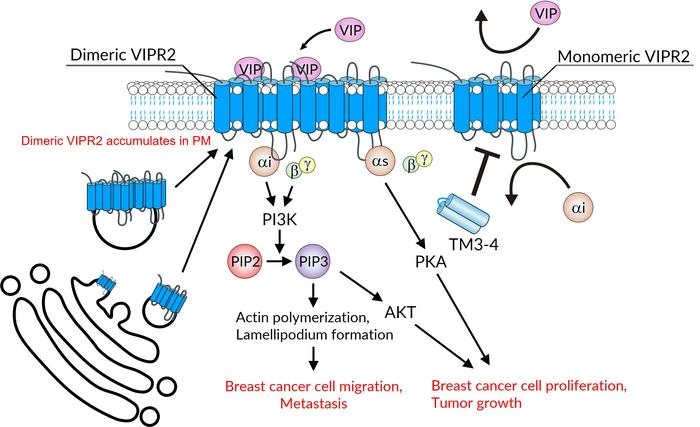
Hiroshima University researchers discover protein interactions that could lead to new treatments targeting aggressive breast cancer.
Pasteurizing fruit smoothies could improve digestion of beneficial polyphenols
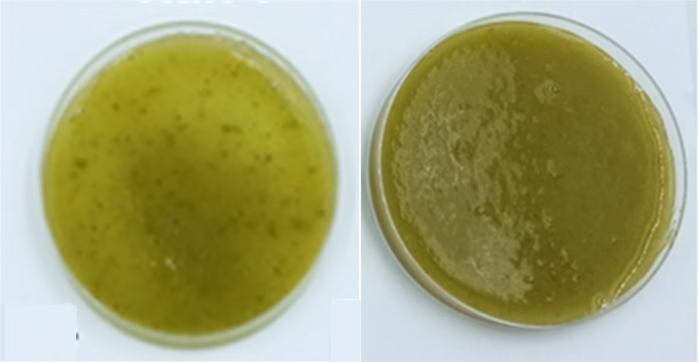
University of Navarre researchers find high-temperature pasteurisation increases polyphenol absorption by gut microbiome by 44%.
AI identifies key gene sets that cause complex diseases
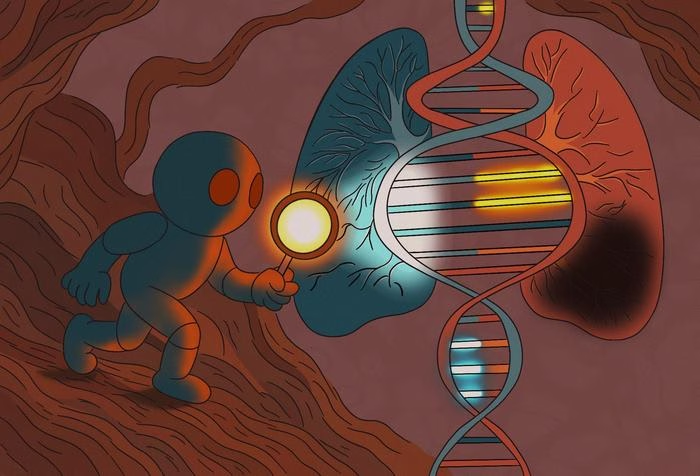
Northwestern University researchers develop AI tool to uncover gene networks, paving the way for personalised treatments.
Humans have unique breathing “fingerprints” that may signal health status
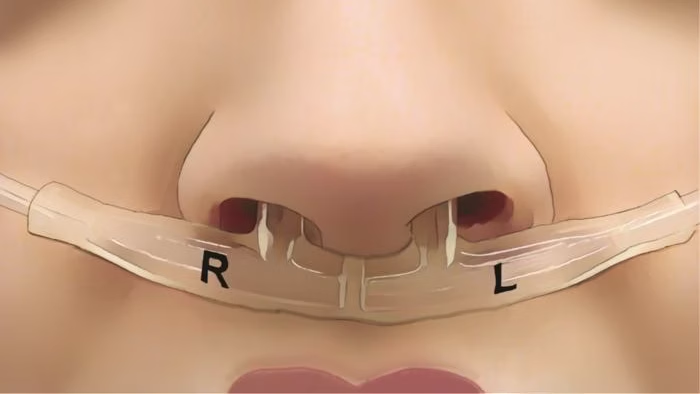
Weizmann Institute of Science discovers nasal breathing patterns can identify individuals and correlate with mental health.
Lymph node on a chip: New immune system model may enhance precision medicine research
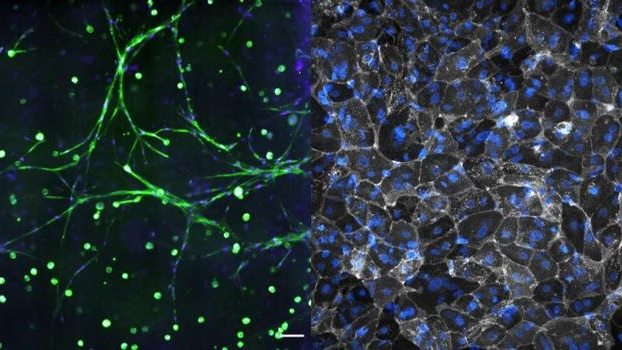
Virginia Tech and University of Virginia collaborate to develop bioengineered lymph node model, advancing cancer metastasis studies.
Creatine is safe, effective and important for everyone, longtime researcher says

Texas A&M University study reveals creatine’s role in improving cognitive function and muscle mass across all ages.
Sniffing out hunger: a nose-to-brain connection linked to appetite

Researchers at the Max Planck Institute find specific nerve cells in mice that regulate appetite through smell.
Methanol poisoning could be easily detected with a ‘breathalyzer’ sensor
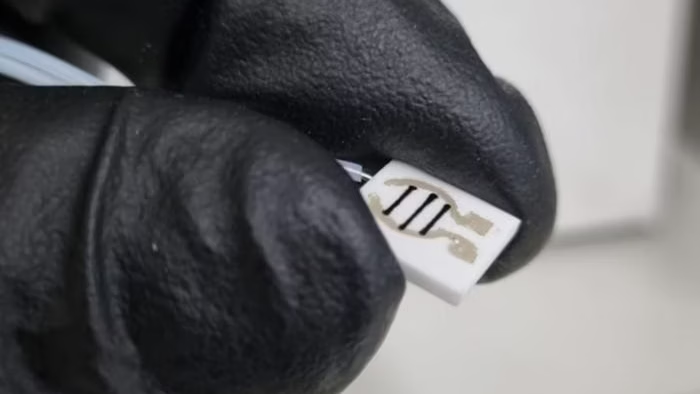
University of Adelaide researchers develop innovative sensor using graphene, detecting methanol at 50 parts per billion.