
When the Earth moved

Harvard University researchers reveal tectonic plate movements began 3.5 billion years ago using ancient Pilbara rocks.
Turning sawdust into fire-resistant, eco-friendly materials using watermelon seeds
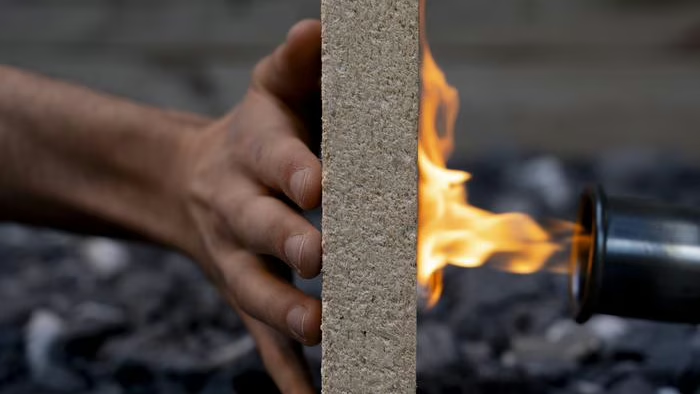
ETH Zurich researchers develop eco-friendly composite from sawdust and struvite, enhancing fire resistance and recyclability.
Fiber-optic sensors reveal how farming destroys soil’s natural structure
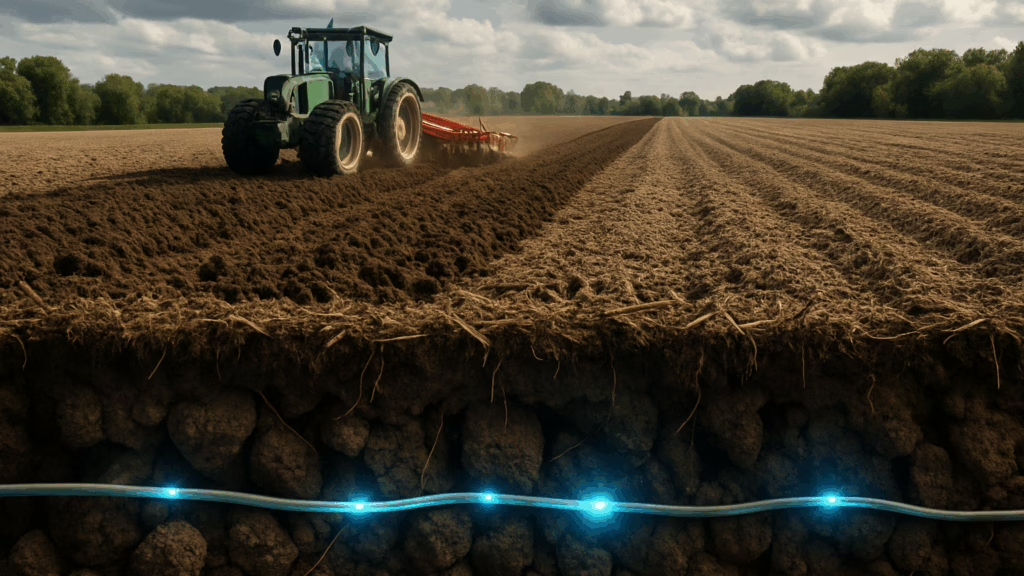
Researchers at the Chinese Academy of Sciences use innovative fibre-optic technology to monitor soil water dynamics.
Fossil X-ray reveals new species of baby dino named after iconic Korean cartoon
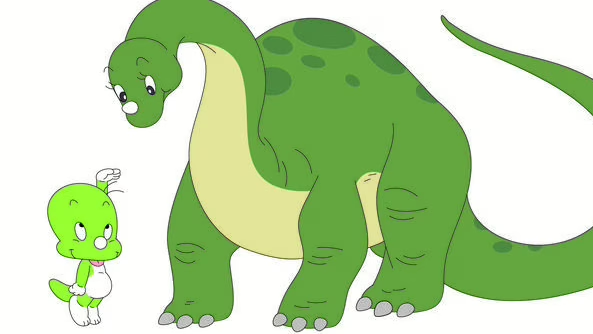
University of Texas researchers discover Doolysaurus, a juvenile dinosaur with skull bones, from Korea’s Aphae Island.
Direct nervous system link promises more natural leg prostheses
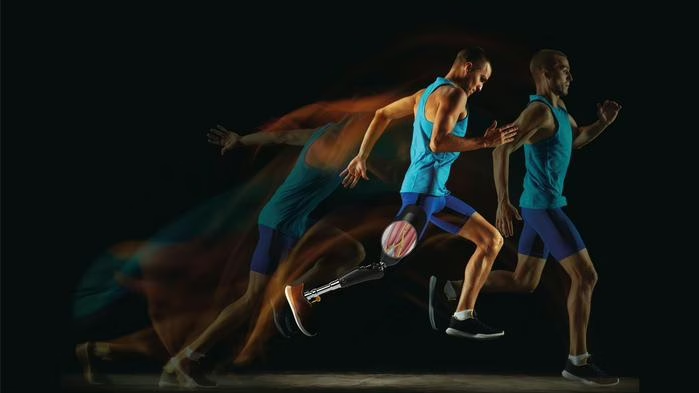
Chalmers University of Technology develops AI-driven implants to decode nerve signals, enhancing control and sensation in prostheses.
Python blood could hold the secret to healthier weight loss
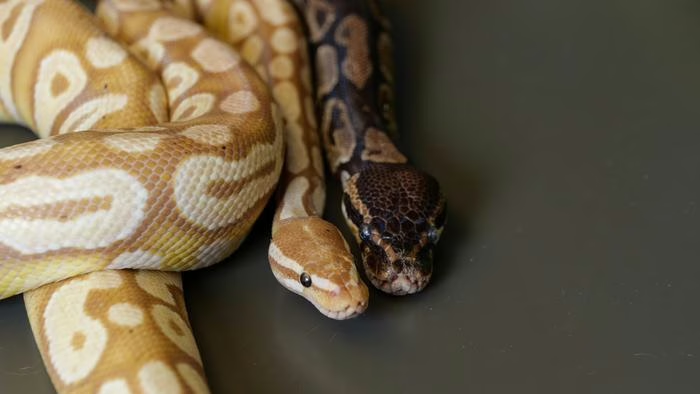
University of Colorado Boulder finds python blood metabolite suppresses appetite, aiding weight loss without adverse side effects.
More power, less heat: How metallic glasses are making motors more efficient
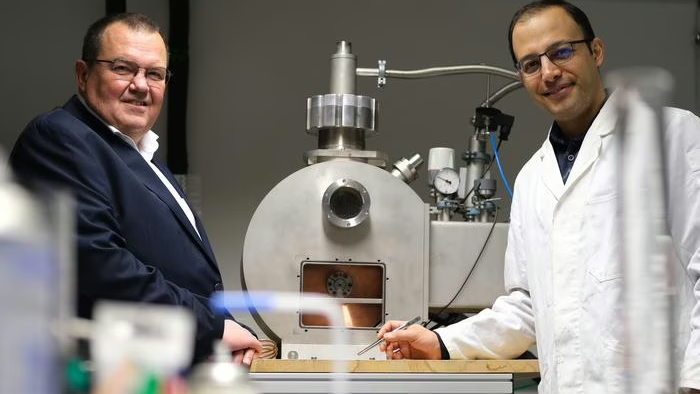
Saarland University researchers develop glass-like alloys, reducing energy losses in electric motors through advanced 3D printing.
New nanoparticle could unlock universal immunotherapy for solid cancers
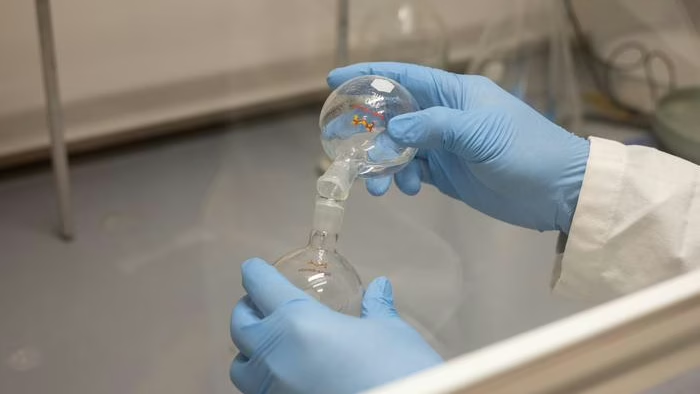
University of Pennsylvania engineers develop lipid nanoparticles that enhance T-cell function, potentially transforming cancer treatment.
A new bird species in Japan

Researchers from Uppsala University identify Tokara Leaf Warbler, genetically isolated for millions of years, facing conservation challenges.
Scientists turn old rubber gloves into new materials that capture CO2
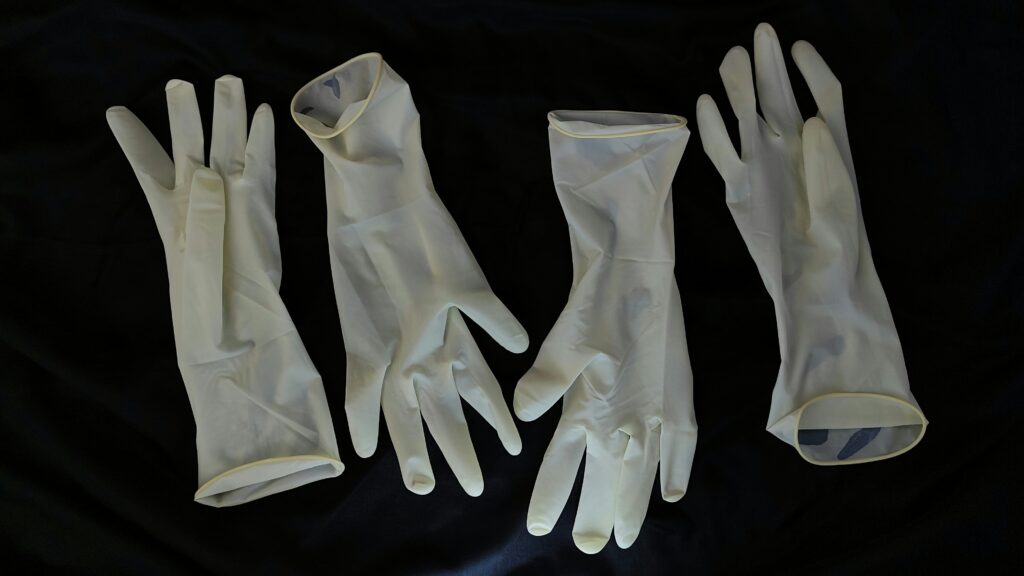
University of St Andrews researchers transform nitrile-rubber waste into CO2-capturing materials using innovative recycling techniques.