
The cactus on your desk is an evolution speed machine
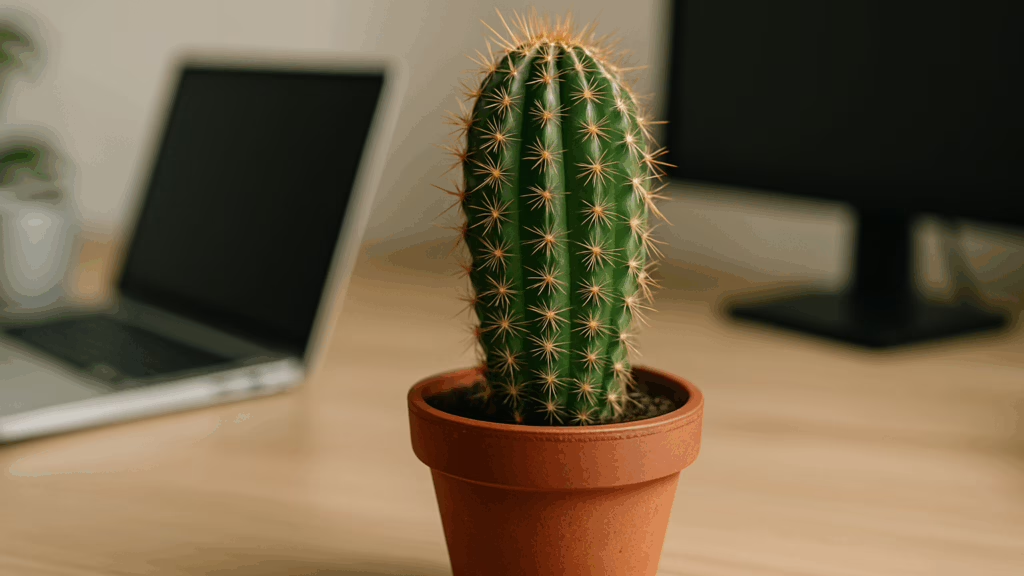
University of Reading researchers discover cacti evolve rapidly, with flower shape changes driving species diversification.
Abalone shells could help trace seafood origins
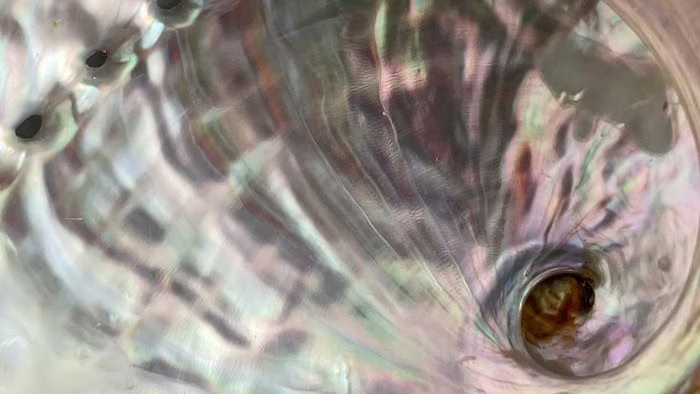
University of Adelaide researchers discover neodymium isotopes in abalone shells can verify seafood provenance across Australia.
Beavers can convert stream corridors to persistent carbon sinks
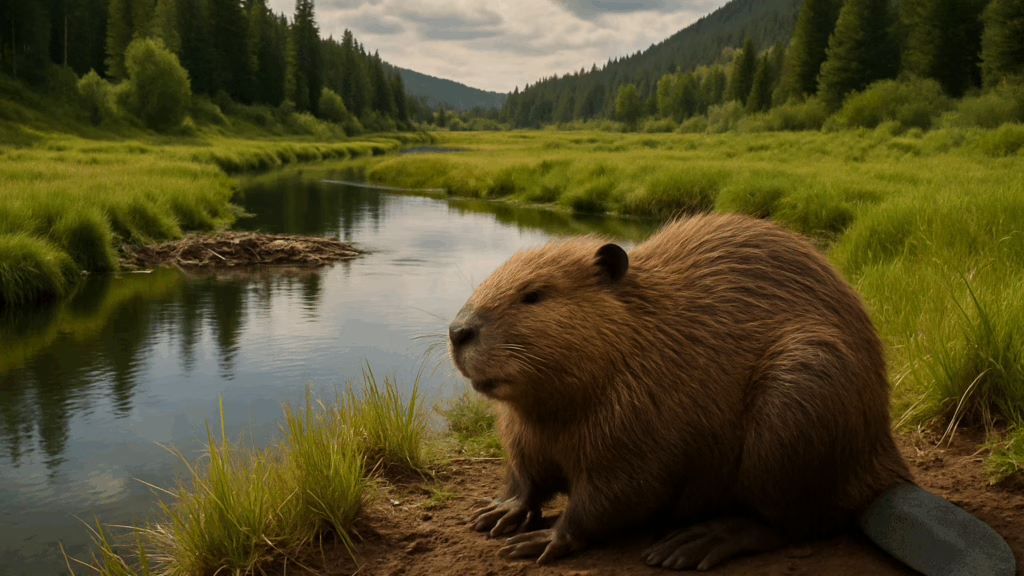
Researchers at the University of Birmingham found beaver-engineered wetlands store carbon at ten times higher rates.
Key Alzheimer’s proteins are competing inside brain cells
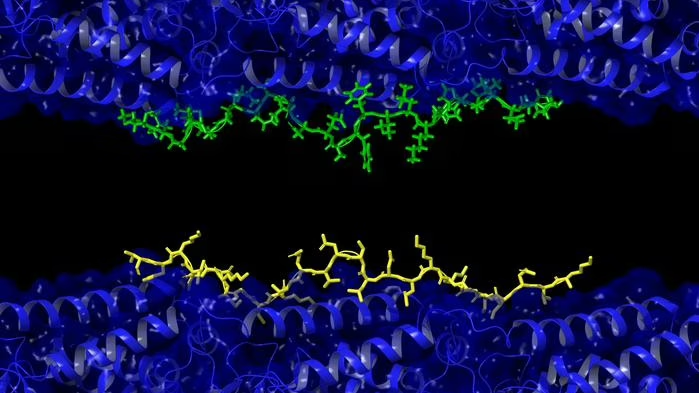
UC Riverside study reveals amyloid beta disrupts tau’s stabilising role, potentially altering Alzheimer’s treatment approaches.
EyeDAR: Roadside radar sensors could reduce blind spots for self-driving cars
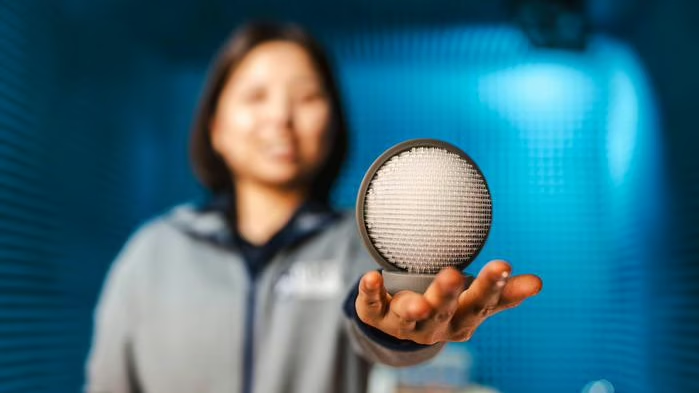
Rice University develops EyeDAR, a compact, low-power radar sensor enhancing AVs’ perception in challenging visibility conditions.
Bull sharks have ‘friends’
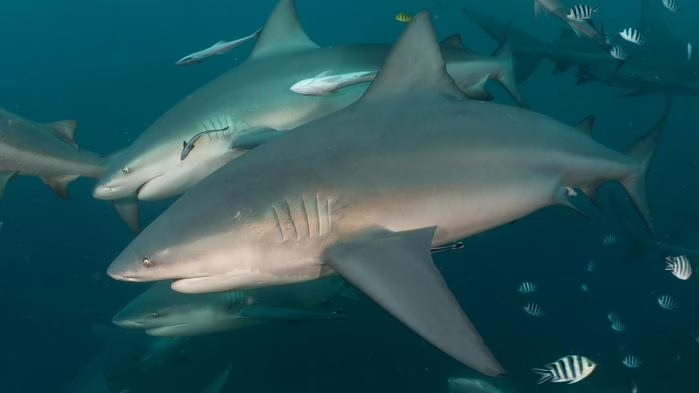
University of Exeter researchers discover bull sharks form complex social bonds, preferring interactions with similarly sized peers.
Top AI coding tools make mistakes one in four times

University of Waterloo research reveals AI’s 75% accuracy in structured outputs, highlighting need for human oversight.
Scientists discover new heavy-proton particle at CERN
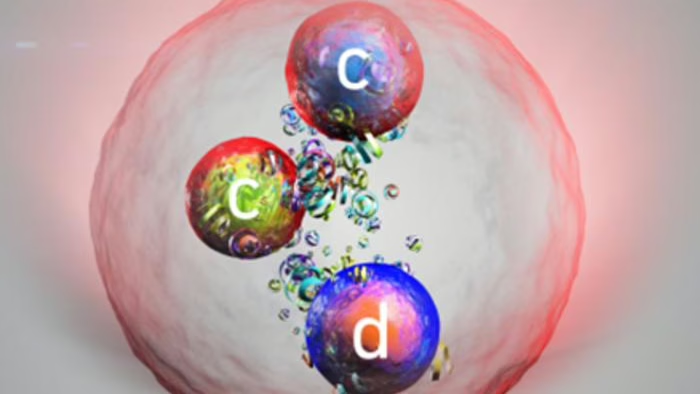
University of Manchester researchers uncover Xi-cc-plus particle, advancing understanding of subatomic structures using upgraded LHCb detector.
Watching a lifetime in motion reveals the architecture of aging

Stanford University researchers discover early behavioural indicators of lifespan by tracking African turquoise killifish continuously.
How an alga makes the most of dim light

Osaka Metropolitan University reveals unique chlorophyll arrangement in algae, enhancing photosynthesis under far-red light conditions.