
Smart contact lens keeps an eye on your eyes—even when they’re closed
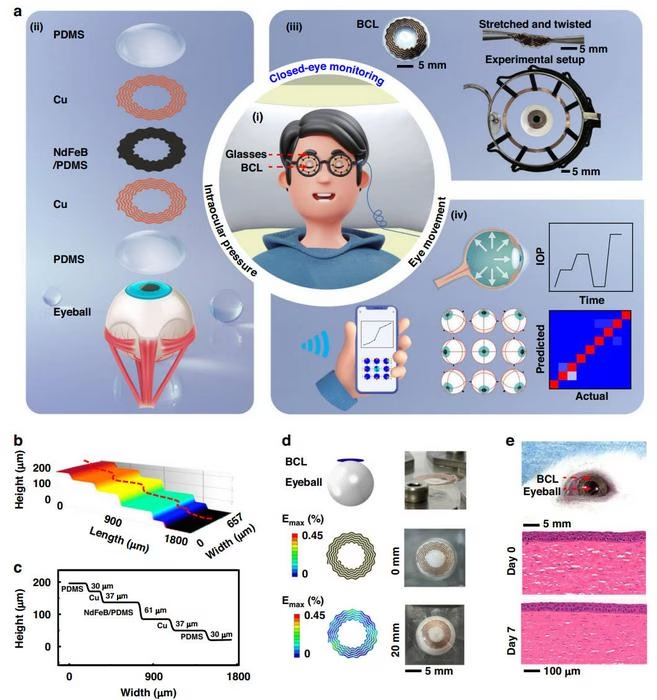
University of Electronic Science and Technology of China develops lens monitoring eye health with wireless, real-time data.
Have a damaged painting? Restore it in just hours with an AI-generated “mask”

MIT researchers develop a removable polymer film technique that speeds up art restoration by 66 times.
Could ‘pausing’ cell death be the final frontier in medicine on Earth and beyond?
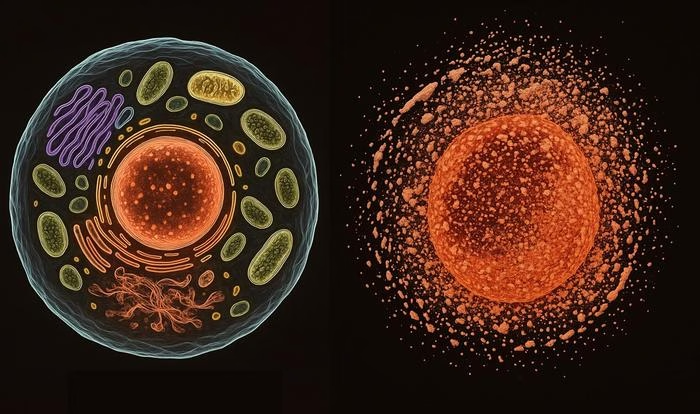
University College London explores necrosis intervention, potentially transforming age-related disease treatments and space health strategies.
Australia’s oldest occupied Ice Age cave found at high elevation in Blue Mountains
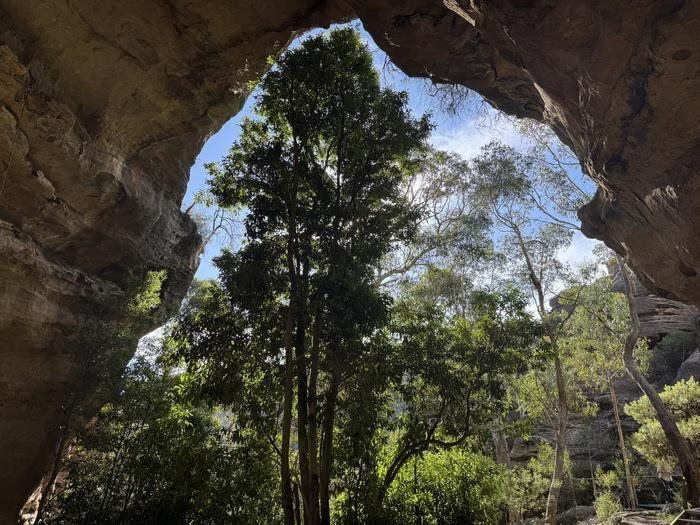
University of Sydney researchers discover 693 ancient stone artefacts, revealing early human adaptation to harsh climates.
Tens of millions of nanoneedles could replace painful cancer biopsies
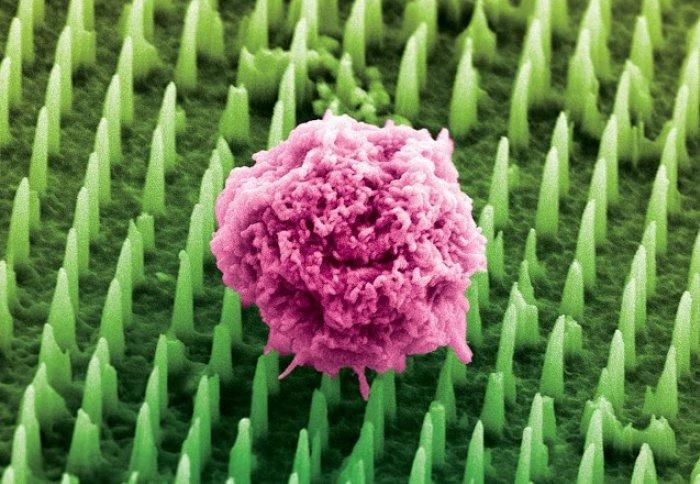
King’s College London develops painless nanoneedle patch, offering real-time molecular insights for disease monitoring.
Thinking in sync: How brain rhythms support intelligence
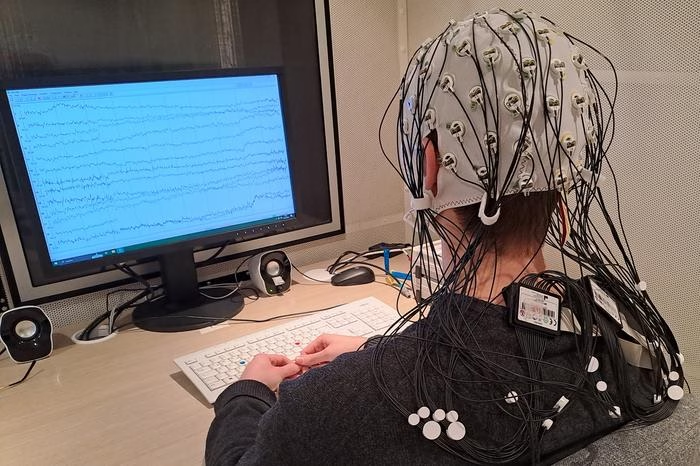
Researchers at Johannes Gutenberg University Mainz discover midfrontal theta wave synchronisation enhances cognitive flexibility and focus.
What the human brain can do that AI can’t
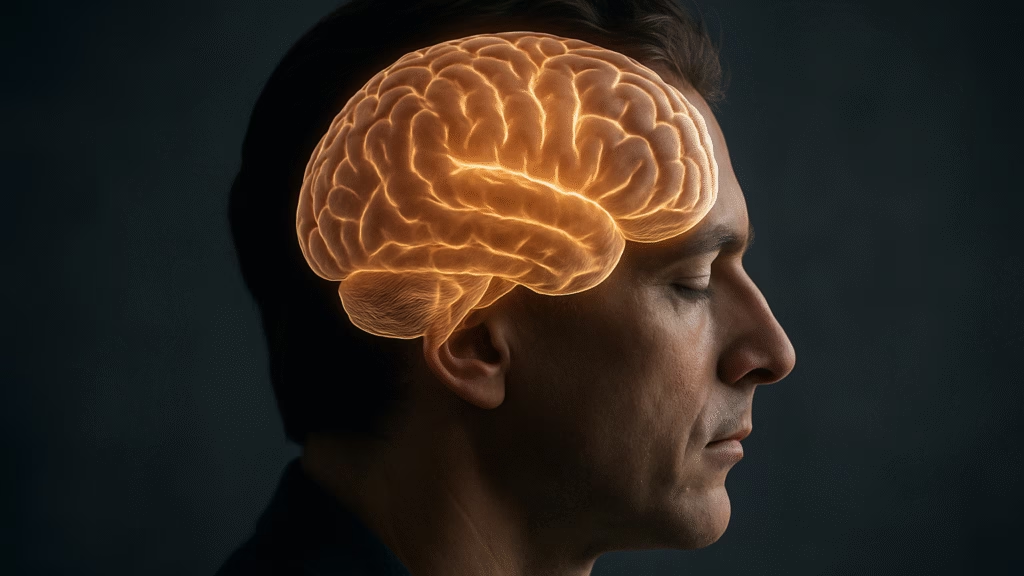
University of Amsterdam researchers reveal unique brain activations, showing AI’s limitations in understanding action opportunities.
Koalas set to benefit from new genetic screening tool
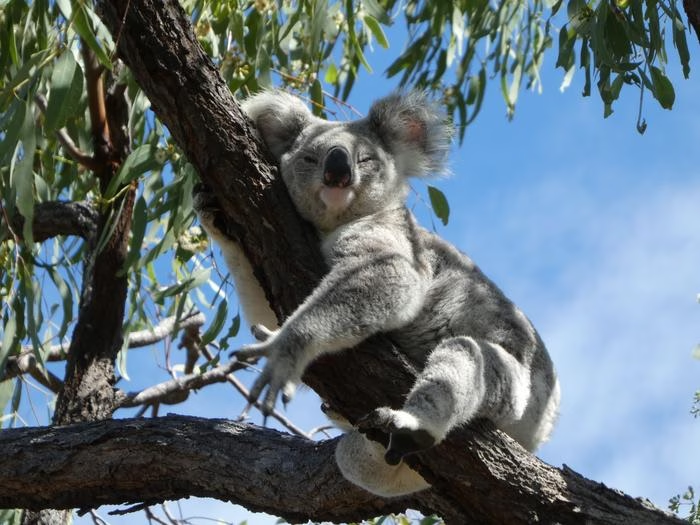
University of Queensland researchers develop tool to improve koala genetic diversity, aiding conservation of endangered populations.
Potential anti-breast cancer drug identified
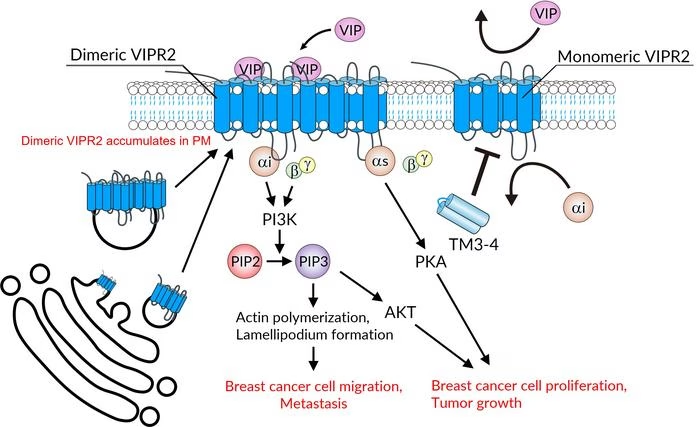
Hiroshima University researchers discover protein interactions that could lead to new treatments targeting aggressive breast cancer.
Study reveals why birds sing more at dawn in tropical forests
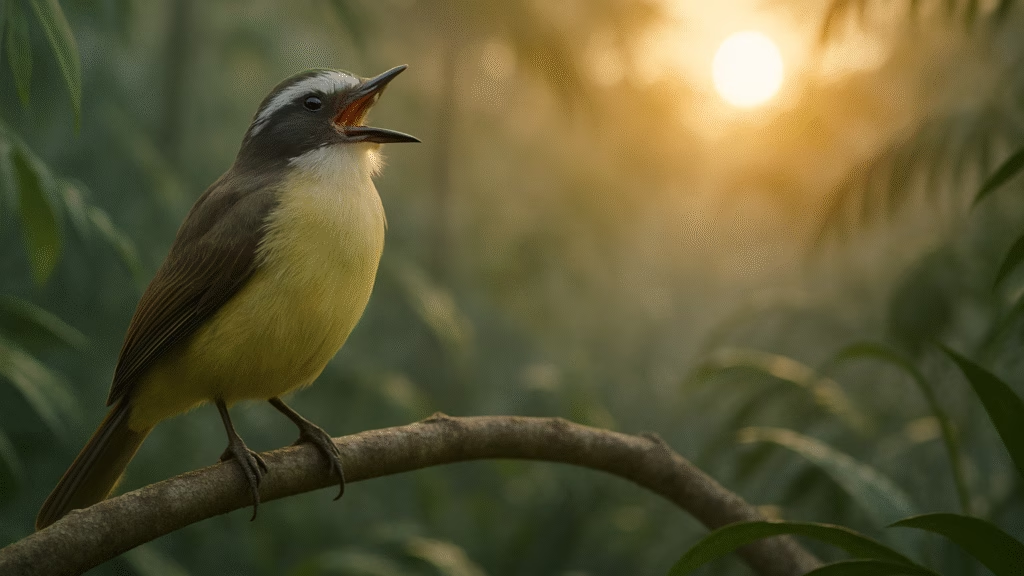
Cornell University researchers find territorial behaviour and omnivorous diets drive increased dawn singing among tropical birds.