
Cranberries provide runners with an all-natural boost, according to new Concordia research

A new study reveals that cranberry supplements significantly enhance athletic performance and reduce muscle fatigue in distance runners, according to Concordia researchers.
Vest can detect earlier signs of heart muscle disease

A study led by UCL researchers suggests a novel ECGI vest capable of detecting early electrical abnormalities in the heart could significantly advance the early diagnosis of hypertrophic cardiomyopathy, potentially improving treatment and prevention strategies for this inherited condition.
Revolutionary brain stimulation technique shows promise for treating brain disorders
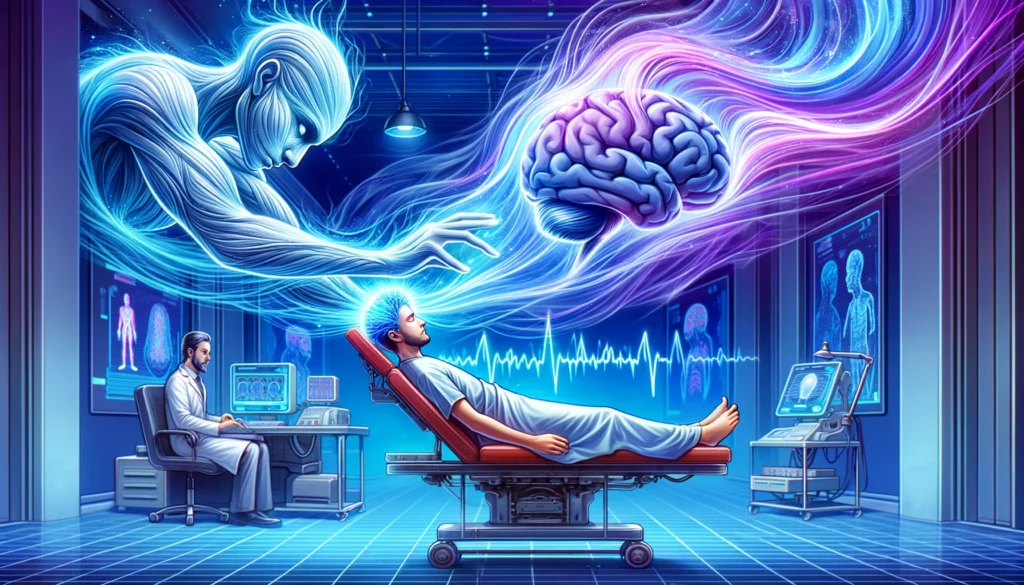
A team led by Dr. Park Joo Min at the Institute for Basic Science has developed a non-invasive brain stimulation technique called LILFUS, which shows promise in enhancing cognitive functions and treating neurological disorders by modulating brain plasticity.
Brazilian startup develops drones that fight the spread of dengue by releasing sterile Aedes mosquitoes

A Brazilian startup has developed a drone-based technology for releasing sterilised mosquitoes, including the Aedes aegypti, to combat the spread of viruses such as dengue and yellow fever in urban environments, now under validation by the International Atomic Energy Agency.
Using mussels and silkworm cocoons to stop organ bleeding
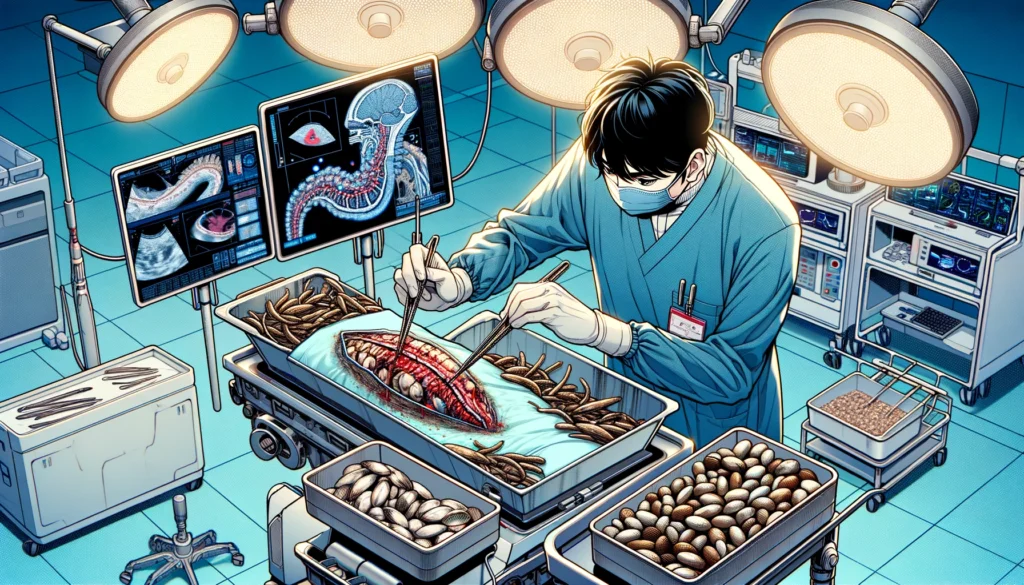
A recent study by a team from Pohang University of Science and Technology and other institutions has developed a new hemostatic agent using proteins from mussels and silkworm cocoons, showing promising results in preventing infection and promoting rapid wound healing.
Spinning, magnetic micro-robots help researchers probe immune cell recognition

Researchers at the University of Chicago have developed tiny, spinning micro-robots, known as hexapods, to study immune cells more effectively, potentially advancing the design of immunotherapies for cancer, infections, and autoimmune diseases.
Red light can reduce blood glucose levels, says study

A recent study published in the Journal of Biophotonics reveals that exposure to 670 nm red light can stimulate mitochondrial energy production, leading to significant reductions in blood glucose levels, offering potential non-invasive benefits for diabetes management and raising concerns about the health impacts of blue light from LEDs.
Newly discovered brain cells play a key role in right and left turns

Researchers have discovered a network of neurons in the brain of mice that help them make right and left turns. In the future, the discovery may be used in treatment for Parkinson’s disease.
Artificial cartilage with the help of 3D printing
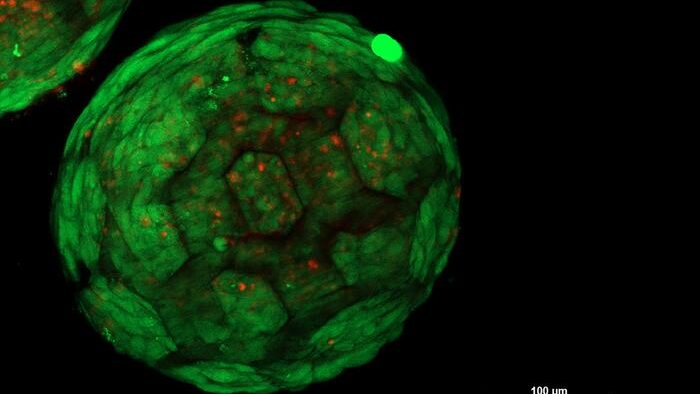
A new approach to producing artificial tissue has been developed at TU Wien: Cells are grown in microstructures created in a 3D printer
Team demonstrates fabrication method to construct 3D structures that mimic bone microstructure
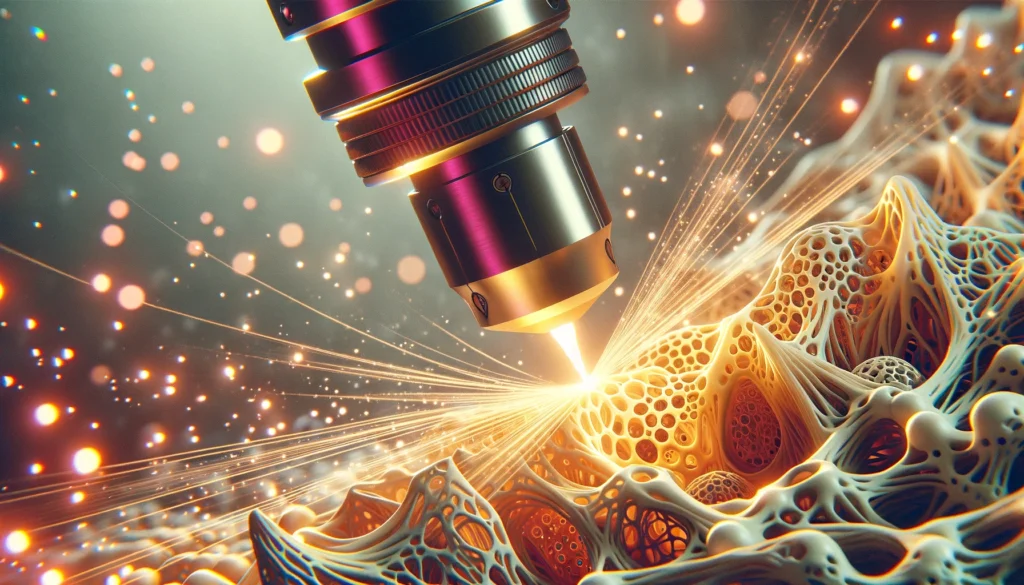
Researchers at Yokohama National University have developed a groundbreaking method combining laser 3D printing and an alternate soaking process to create complex 3D structures that replicate bone microstructure, paving the way for advances in bone grafts and artificial bone marrow.