
Eating eggs lowers risk of cardiovascular disease-related death
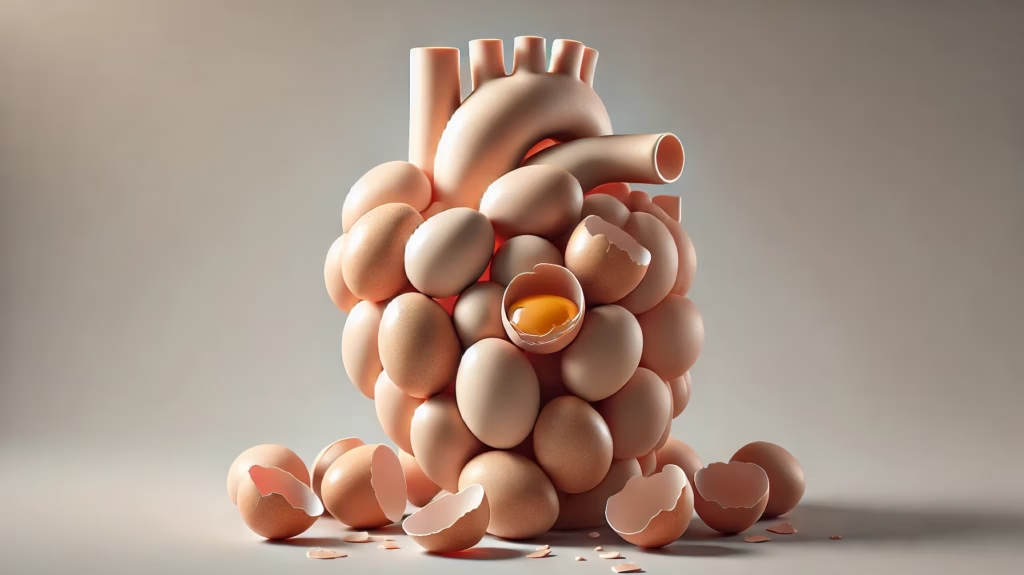
Older adults who consume eggs weekly can enjoy a 29% drop in risk of death from cardiovascular disease, according to Monash University research.
Ice bath benefits: Here’s the science

A new research review from the University of South Australia in reveals short cold-water immersions can ease stress for 12 hours.
Scratching an itch inflames but also boosts immune defence
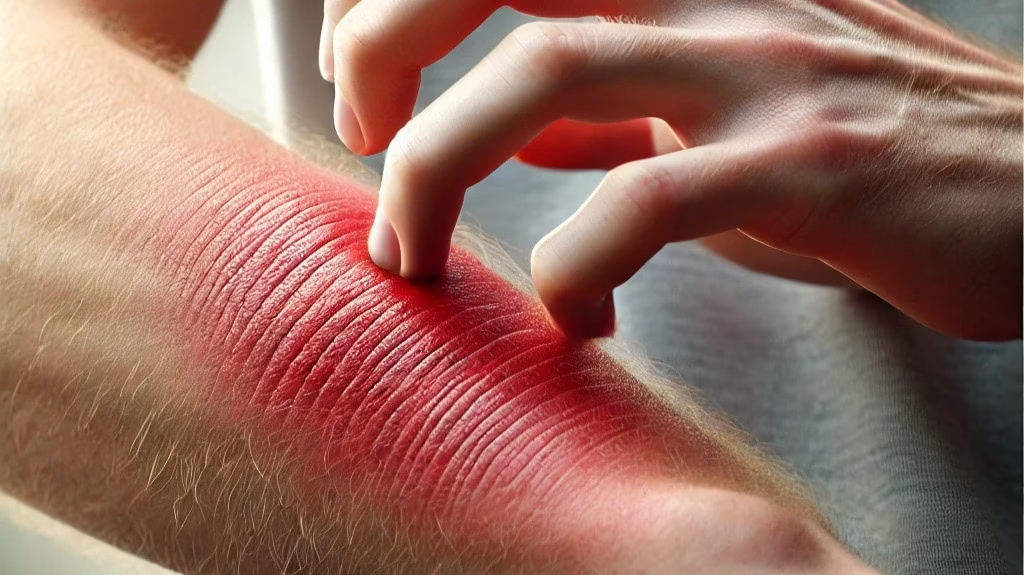
Researchers at the University of Colorado reveal that scratching activates pain-sensing neurons triggering inflammation but also reduces bacteria at the injury site.
Vascular ‘fingerprint’ at the back of the eye can accurately predict stroke risk
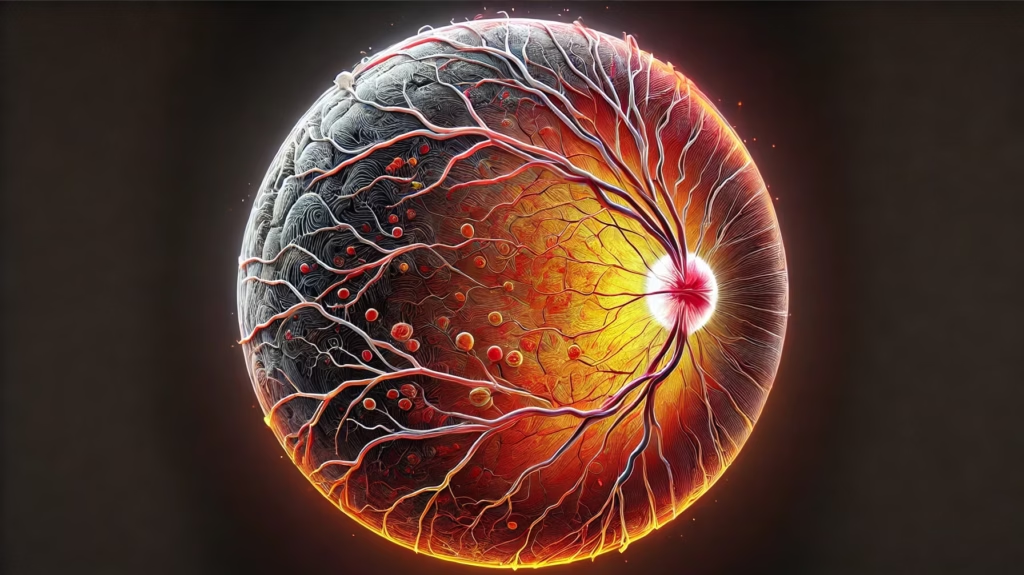
Researchers at the University of Oxford found that a simple retinal scan can forecast stroke risk as accurately as traditional methods, eliminating the need for invasive tests.
Oyster blood kills lung infection bacteria, enhances antibiotics up to 32x – new discovery
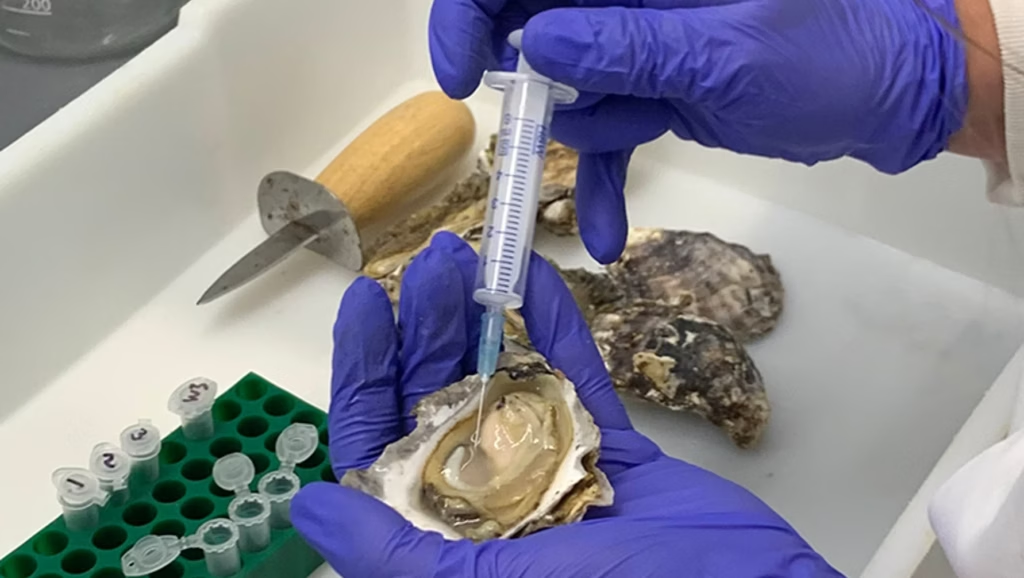
Researchers from Southern Cross University in Australia find a protein in Sydney Rock Oyster hemolymph enhances antibiotics by disrupting bacteria’s protective biofilms.
Electrifying your workout can boost muscles mass, strength
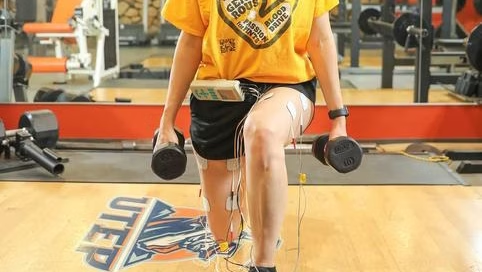
Scientists at the University of Texas at El Paso found resistance training like squats or bench presses combined with electrical muscular stimulation boosts muscle strength.
Textbooks need to be rewritten: RNA, not DNA, is the main cause of acute sunburn
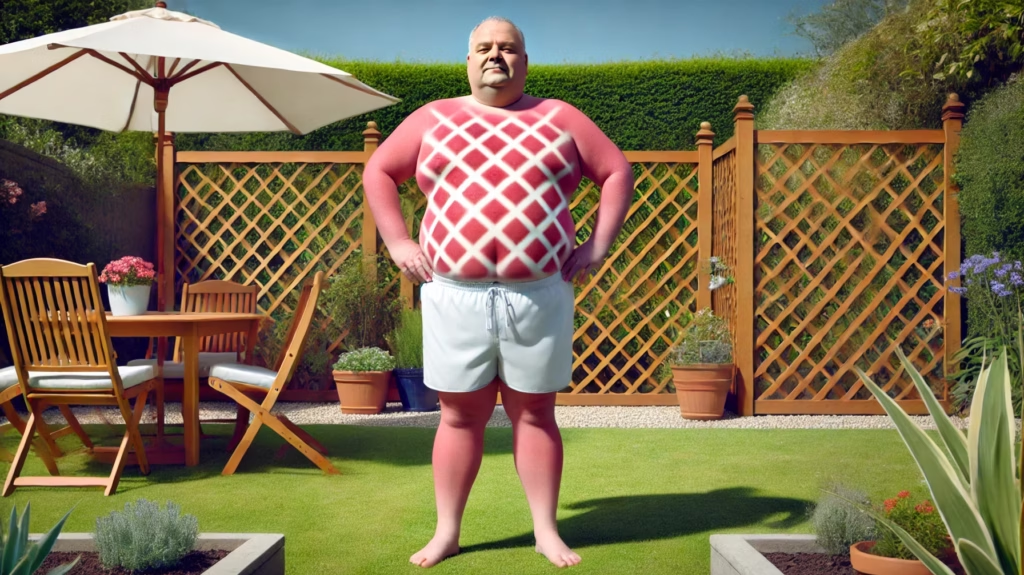
Groundbreaking research from the University of Copenhagen reveals a built-in cellular surveillance system triggers rapid sunburn inflammation, redefining our understanding of UV harm.
AI melds scans and patient notes to predict cancer prognoses and treatment responses

Stanford University researchers have developed a foundation model that outperforms traditional methods across 16 cancers, enhancing personalised prognoses and treatment decisions.
Eating fibre alters gene function giving anti-cancer effects
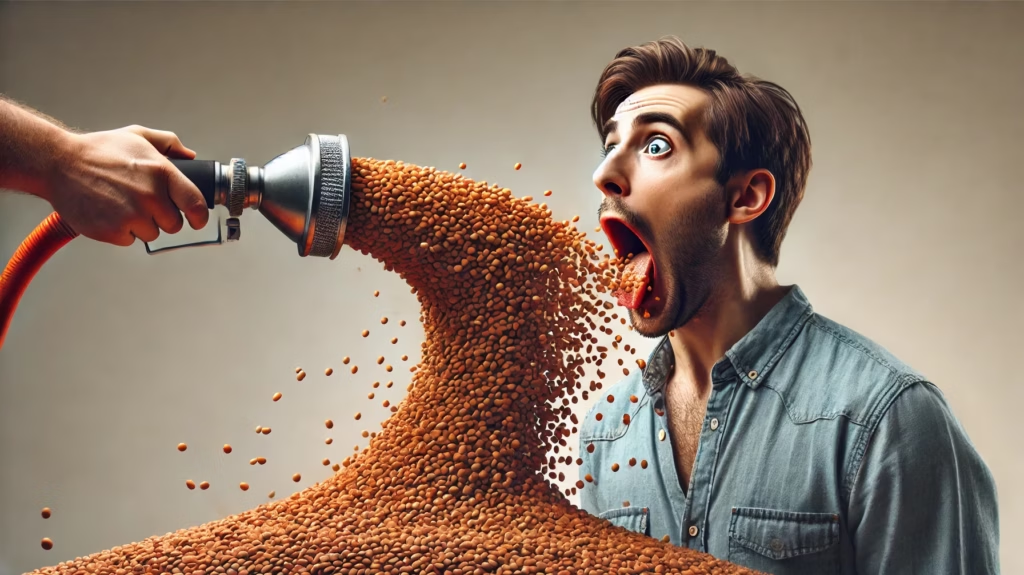
Stanford University researchers discover fibre diets generate short-chain fatty acids via the gut microbiome, producing epigenetic modifications in cells.
Rapid electrostimulation helps paraplegics walk again
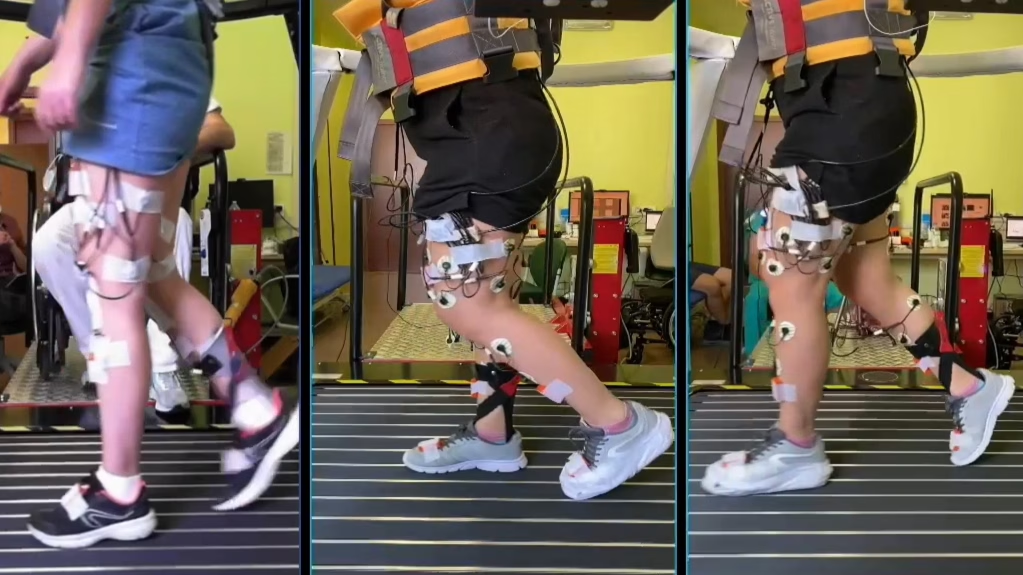
Researchers at EPFL in Switzerland have unveiled a novel approach that cuts muscle spasticity—affecting nearly 70% of spinal cord patients—dramatically enhancing rehabilitation prospects.