
New Nevada experiments will improve monitoring of nuclear explosions

Researchers at Lawrence Livermore National Laboratory, USA, are conducting experiments to enhance the detection of low-yield nuclear explosions through a series of underground tests.
Sugar-based catalyst upcycles carbon dioxide

Researchers at Northwestern University in the United States have developed a cost-effective catalyst that can transform CO2 into valuable chemicals.
VIDEO: E-bike conversion device requires no modifications to your bike
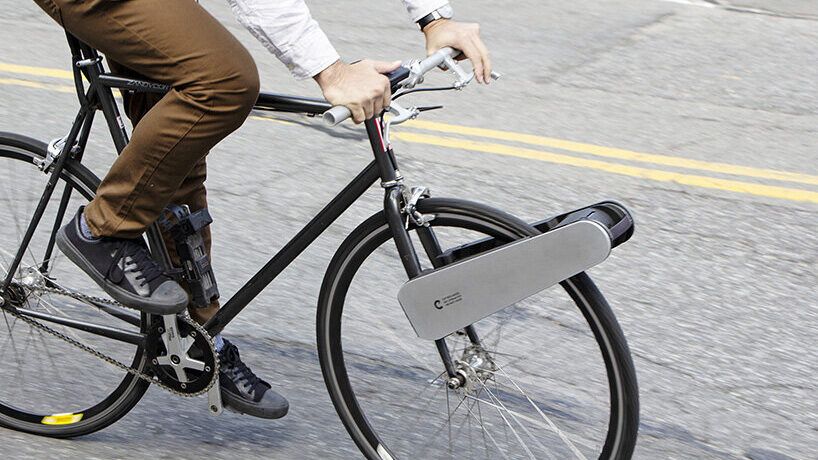
US startup Clip have created a clip on device that turns your normal bike into an e-bike by driving the front wheel with a small friction drive (wheel on wheel).
Blood diagnostics modelled on leeches

Researchers at ETH Zurich in Switzerland have developed a new, less invasive blood sampling device inspired by leeches, aiming to enhance diagnostic accuracy and patient comfort.
New eco-friendly lubricant additives protect turbine equipment, waterways

Researchers at Oak Ridge National Laboratory in the United States have developed environmentally friendly lubricant additives for water turbines, improving both performance and biodegradability.
Seismic waves used to track LA’s groundwater recharge after record wet winter

Stanford University researchers in the USA are using seismic data to study groundwater replenishment in Los Angeles following heavy rains.
VIDEO: Inflatable electric trimaran boat fits in your car

Hungarian startup Portless have created a range of battery-powered inflatable trimaran boats using the same drop stitch technology employed in Stand Up Paddle boards (SUPs).
Atomic nucleus excited with laser: a breakthrough after decades
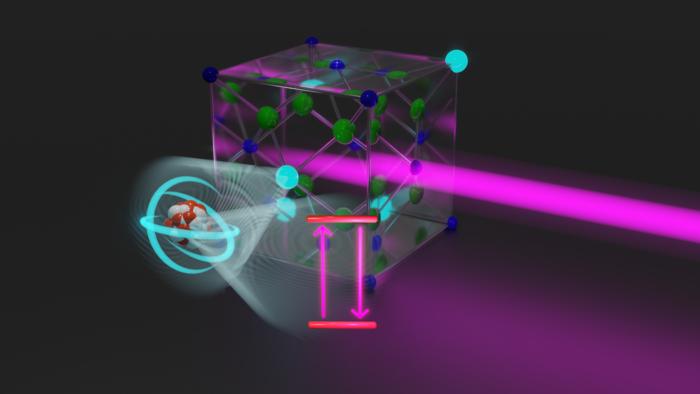
Researchers at TU Wien in Austria have discovered a new state of thorium atomic nuclei, potentially revolutionising precision measurements and timekeeping technologies.
Did a magnetic field collapse trigger the emergence of animals?
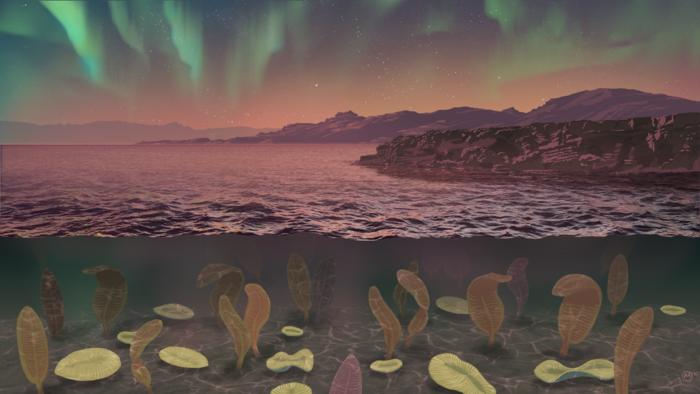
Researchers at the University of Rochester in the USA have linked Earth’s unusually weak magnetic field during the Ediacaran Period to the emergence of complex life.
Low intensity light to fight the effects of chronic stress

A study conducted by the University of Barcelona in Spain explores the potential of photobiomodulation in treating neurological disorders, focusing on brain-gut axis activation to alleviate cognitive effects of chronic stress.