
The Origami Cup is a collapsible, reusable drinkware item developed by DiFOLD, a Bulgarian company.
From Superinnovators 04/10/24
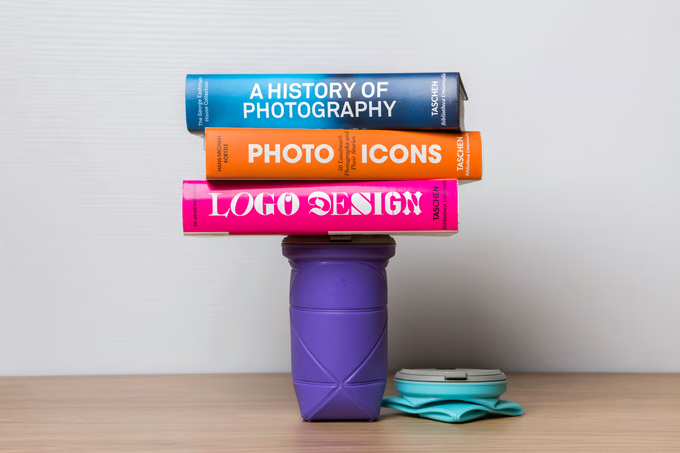
The cup is currently being funded through a Kickstarter campaign, with over 1,800 backers and $86,868 pledged, surpassing its $5,000 goal.
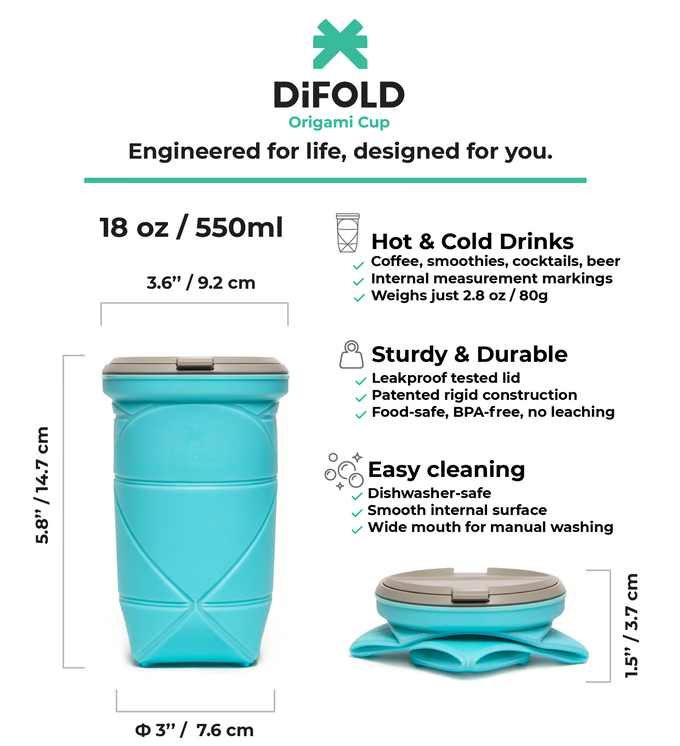
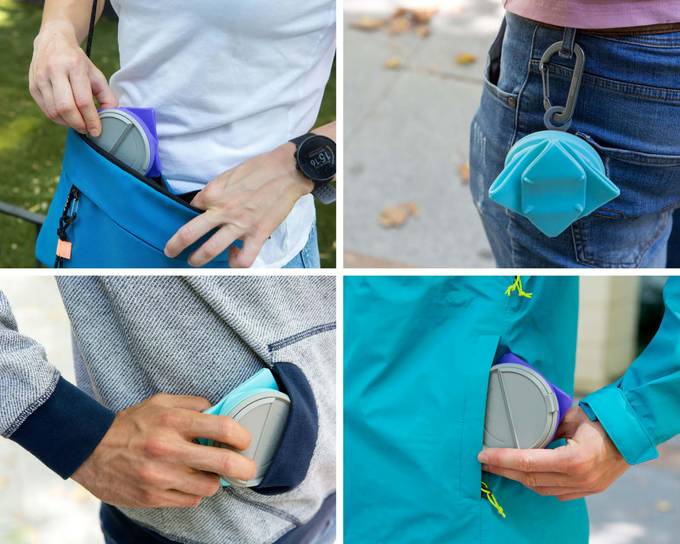
Made from a patented foldable design, it holds 550ml and weighs just 80g, making it portable for daily use.

The company say it’s leakproof, dishwasher-safe, and created from recyclable Thermoplastic Elastomer (TPE) material, ensuring environmental sustainability.
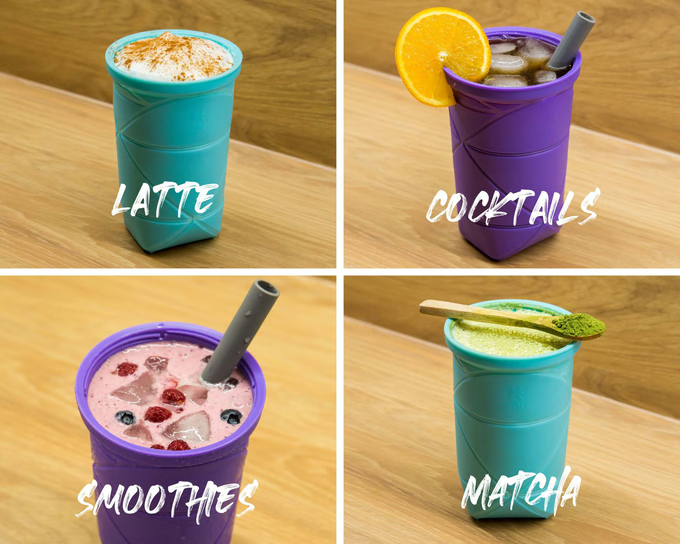
According to the company, the Origami Cup is BPA-free (Bisphenol A) and can handle both hot and cold beverages without degrading.
This cup was developed over two years and follows the success of DiFOLD’s previous crowdfunded product, the Origami Bottle, four years ago.
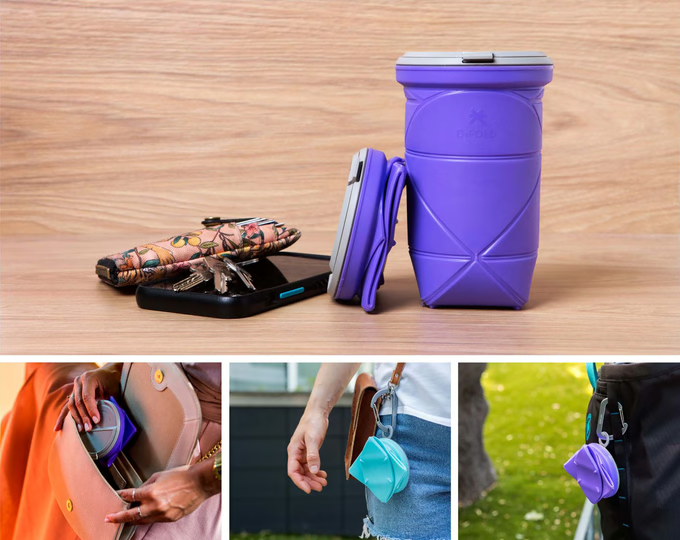
DiFOLD have integrated a hanging system on the lid, allowing it to be clipped to your trousers or bag using a carabiner.
Additional accessories include a foldable straw, and a protective sleeve for hot drinks.
The Origami Cup is available at an early bird price of $16 (£13).
Backers can choose from two colours—Purple and Jade Blue—with potential for more to be unlocked through stretch goals.
Shipping is available to the US, EU, UK, and other regions, with estimated delivery in March 2025.
DiFOLD aim to promote reuse by creating foldable items that are both functional and environmentally friendly.
More info
https://www.kickstarter.com/projects/difold/difold-origami-cup
You may also be curious about:
-

‘Space archaeology’ reveals first dynamic history of a giant spiral galaxy
-

Thousands of pico-satellites may transform how phones connect to space
-

Barcelona’s Low Emission Zone reduces NO₂ levels
-

Neuroadaptive VR treatment for arachnophobia
-

The freshwater hidden beneath the Great Salt Lake
-

Moby Dick ‘ship sinking’ sperm whales caught headbutting on camera
-
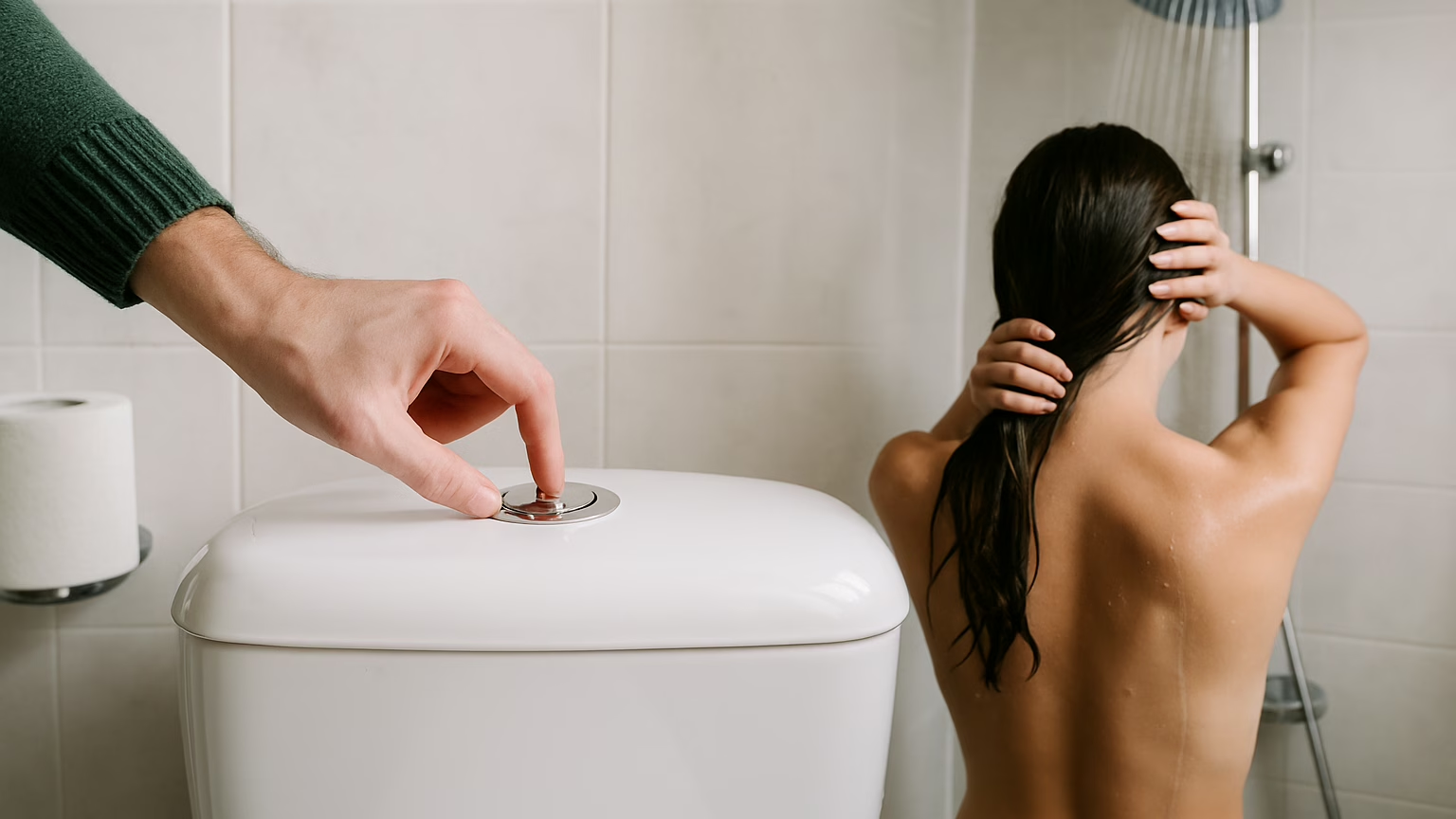
Changing shower and toilet habits could help close England’s 5 billion litre water gap, Surrey-led research finds
-

Is your brain aging faster than you are? Sleep may hold the key
-
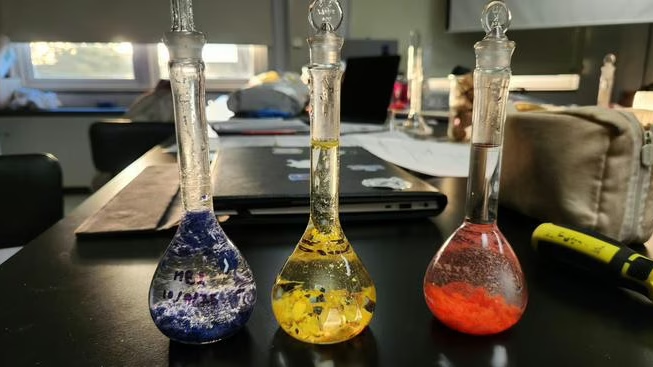
Initial tests find lead in children’s fast-fashion clothing
-

Aquatic plant reduces antibiotics in water and genetic damage in fish
-

When the Earth moved
-

Turning sawdust into fire-resistant, eco-friendly materials using watermelon seeds