
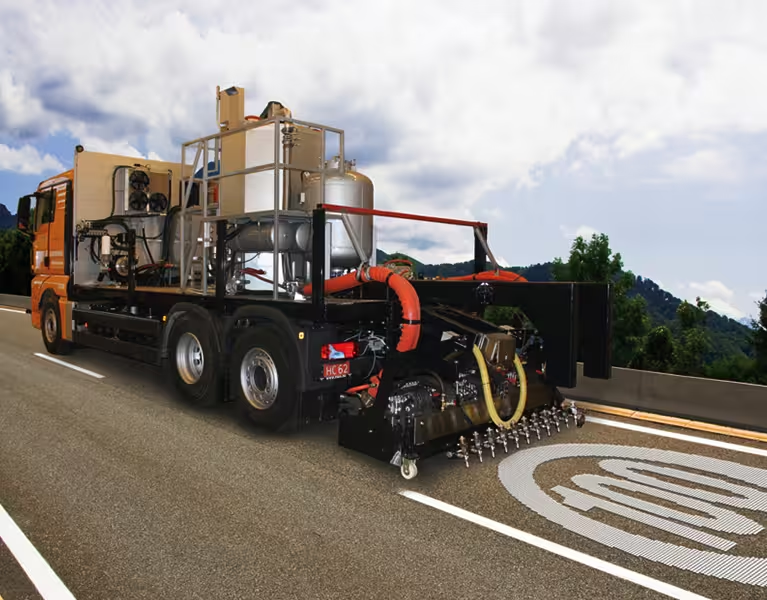
The Trafficprinter is a thermoplastic road marking machine developed by Norwegian company Trysil RMM, designed to reduce costs and boost safety.
From Superinnovators 05/09/24
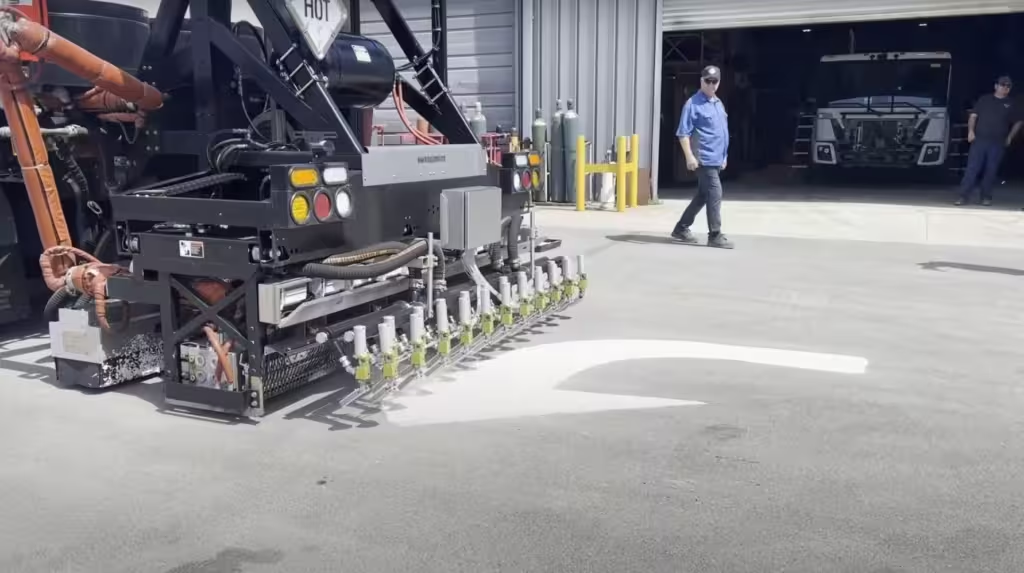
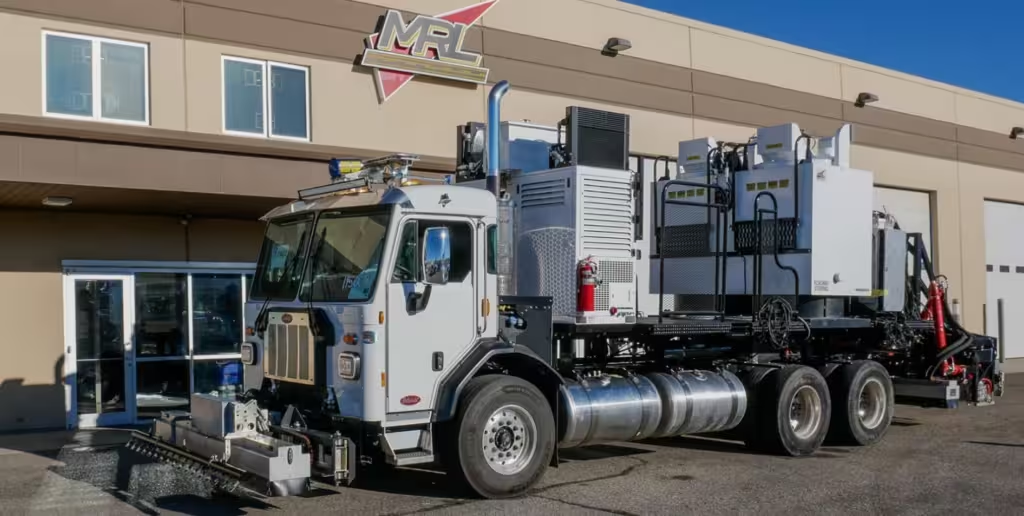
In 2023, Trysil RMM partnered with US-based MRL Equipment Company to bring the latest Trafficprinter to the US market with a limited supply available in 2024.
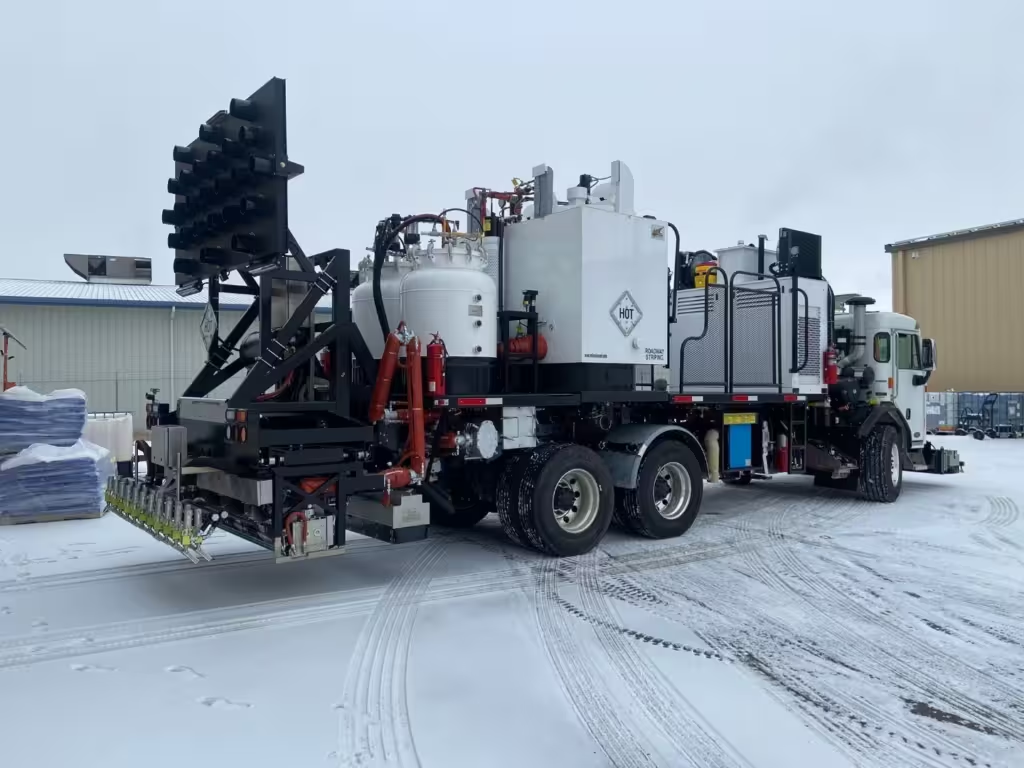
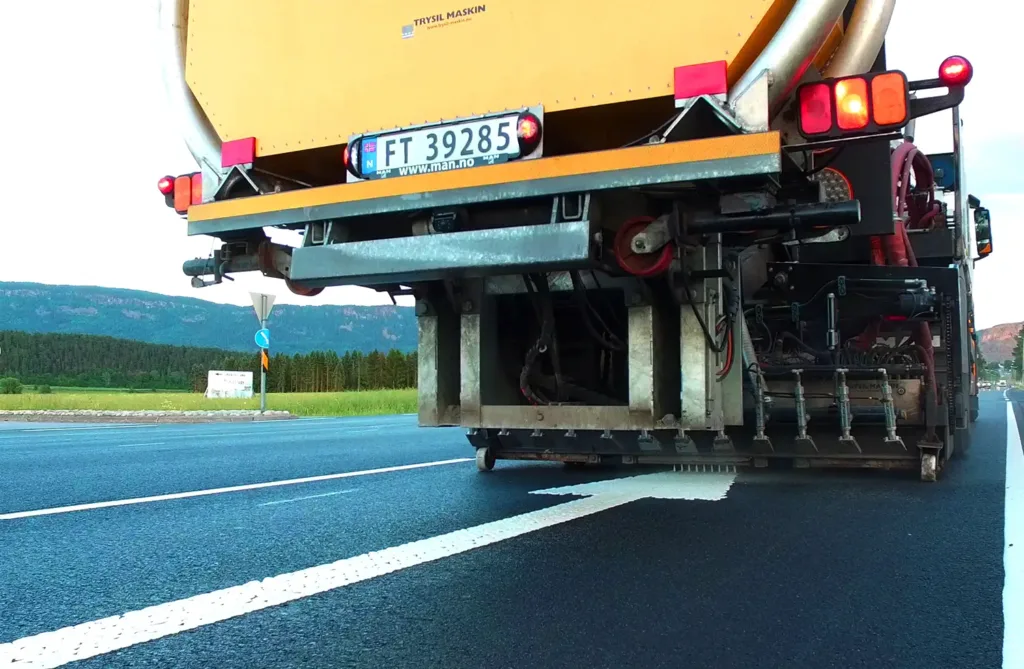
The Trafficprinter, first launched in 2012, is designed to print road signs and symbols directly onto the highway surface using a truck-mounted system.
Unlike the widely used traditional methods, which include manually painting using a drawbox tool or applying thermoplastic stickers that are heated to adhere, the Trafficprinter offers a fully automated process.
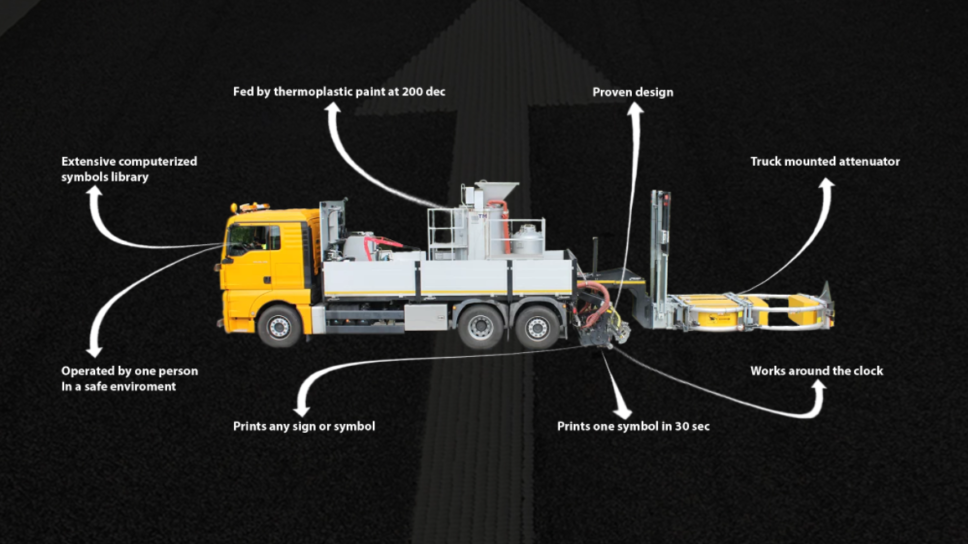
This third-generation machine is equipped with a digital library of symbols, allowing the operator to select and print signs within 30 seconds.

It heats thermoplastic paint to 200°C (392°F) and then sprays it in sequence through a series of nozzles creating the desired shape on the road surface.
Trysil RMM highlight that the Trafficprinter enhances safety by keeping operators inside the truck, reducing their exposure to traffic.
The company also claim that the machine improves productivity and cost efficiency by needing only a single operator, printing signs in live traffic and reducing the need for traffic management equipment.
And the partnership state the Trafficprinter offers a positive return on investment (ROI) in less than 3 years.
MRL Equipment Company, known for their experience in pavement marking, is the exclusive distributor for the Trafficprinter in the US, whereas Trysil RMM serve the rest of the world.
More info
You may also be curious about:
-

‘Space archaeology’ reveals first dynamic history of a giant spiral galaxy
-

Thousands of pico-satellites may transform how phones connect to space
-

Barcelona’s Low Emission Zone reduces NO₂ levels
-

Neuroadaptive VR treatment for arachnophobia
-
The freshwater hidden beneath the Great Salt Lake
-
Moby Dick ‘ship sinking’ sperm whales caught headbutting on camera
-
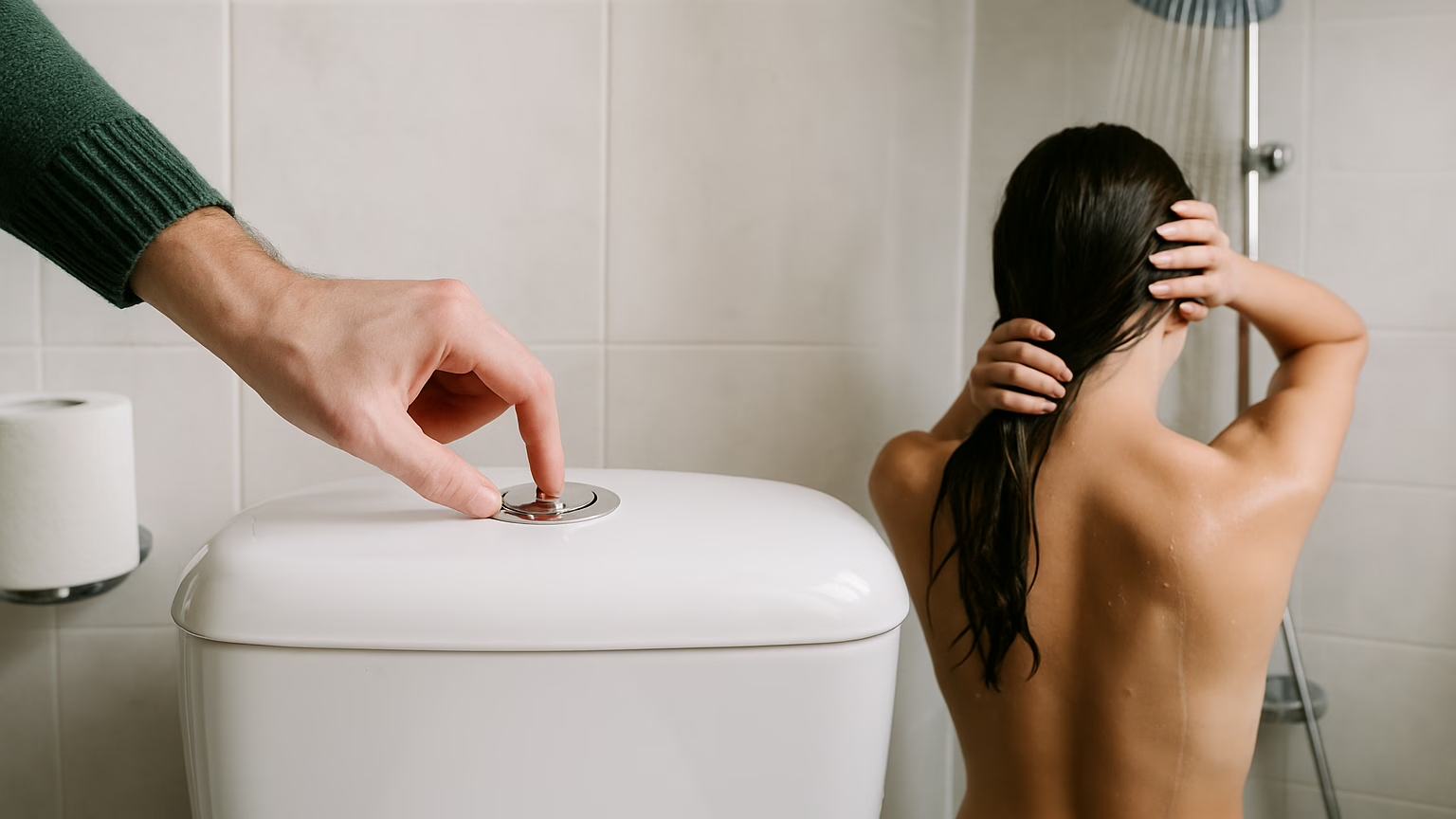
Changing shower and toilet habits could help close England’s 5 billion litre water gap, Surrey-led research finds
-

Is your brain aging faster than you are? Sleep may hold the key
-
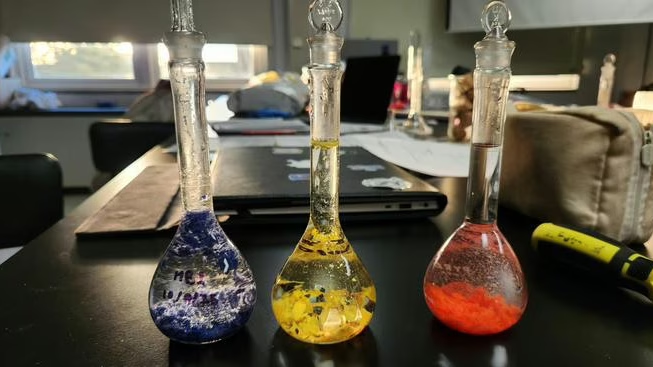
Initial tests find lead in children’s fast-fashion clothing
-
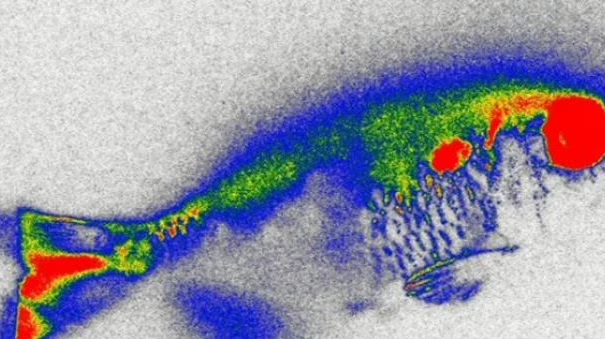
Aquatic plant reduces antibiotics in water and genetic damage in fish
-

When the Earth moved
-
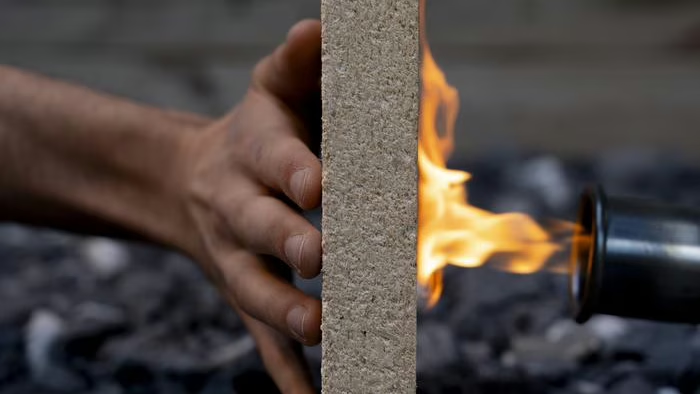
Turning sawdust into fire-resistant, eco-friendly materials using watermelon seeds