
Researchers at the Italian Institute of Technology (IIT) are developing the world’s first jet-powered humanoid robot, named iRonCub3.
From Superinnovators 24/08/24

This humanoid robot has an approachable face and boasts four jet engines, two mounted on its arms and two on a jetpack attached to its back.
A sneak peek video released this month shows the jets firing bright blue before the exhausts glow orange – no takeoff shots yet though.
The robot is designed to perform tasks that require aerial mobility, such as search and rescue, and inspection and maintenance in hard-to-reach areas.
iRonCub3 has undergone significant modifications, including the addition of a titanium spine and heat-resistant covers to handle extreme temperatures.
The robot’s jet engines can produce a maximum thrust of over 1000N and exhaust temperatures exceeding 600°C.

Researchers believe the ability to fly could give humanoid robots new capabilities in challenging environments.
The development of iRonCub began in 2021, and the team continues to refine its design based on experimental data.
They are currently focused on testing iRonCub version 3 in a specialised flight and control area.
The team has encountered challenges, such as preventing the robot from catching fire due to engine exhaust.
According to the researchers, iRonCub3 represents a significant step forward in the field of aerial humanoid robotics.


More info
https://ami.iit.it/aerial-humanoid-robotics
You may also be curious about:
-

‘Space archaeology’ reveals first dynamic history of a giant spiral galaxy
-
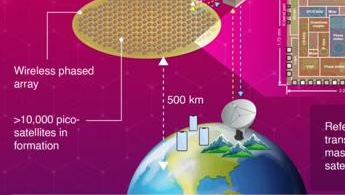
Thousands of pico-satellites may transform how phones connect to space
-

Barcelona’s Low Emission Zone reduces NO₂ levels
-
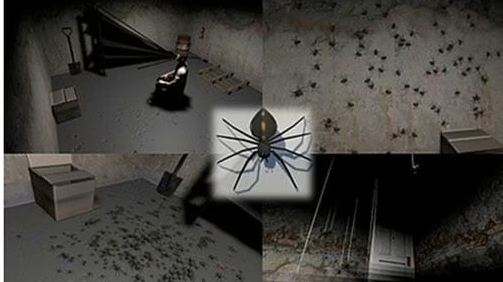
Neuroadaptive VR treatment for arachnophobia
-
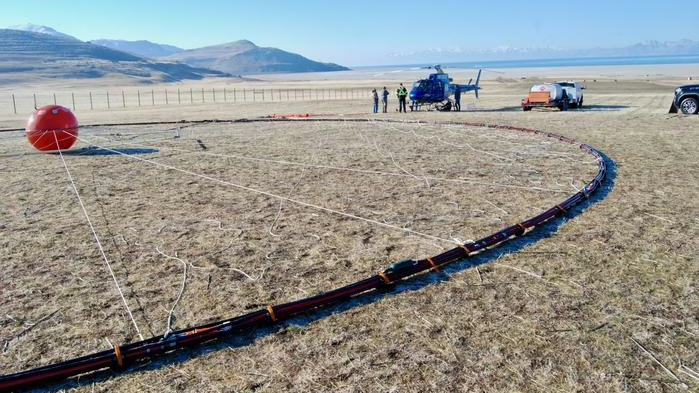
The freshwater hidden beneath the Great Salt Lake
-
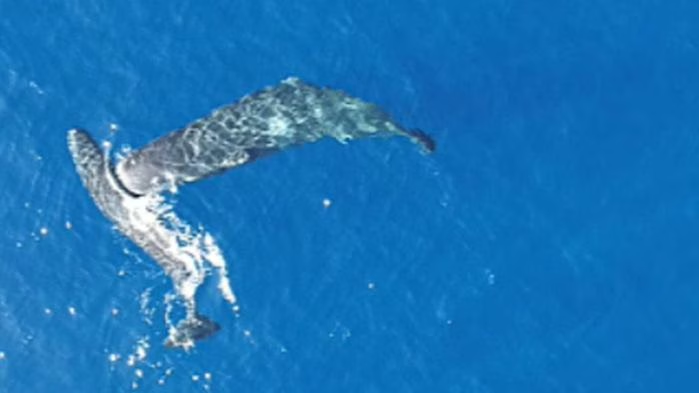
Moby Dick ‘ship sinking’ sperm whales caught headbutting on camera
-

Changing shower and toilet habits could help close England’s 5 billion litre water gap, Surrey-led research finds
-

Is your brain aging faster than you are? Sleep may hold the key
-
Initial tests find lead in children’s fast-fashion clothing
-
Aquatic plant reduces antibiotics in water and genetic damage in fish
-

When the Earth moved
-

Turning sawdust into fire-resistant, eco-friendly materials using watermelon seeds
One Response