
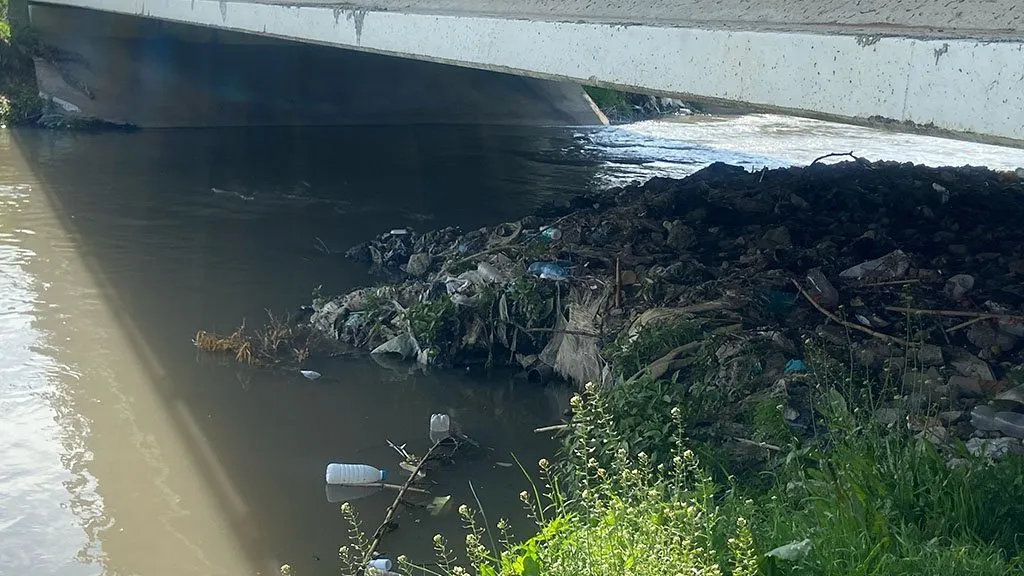
River Cleaning, an Italian startup, has developed an innovative rotating buoy system for removing plastic waste from rivers.
From Superinnovators 11/08/24
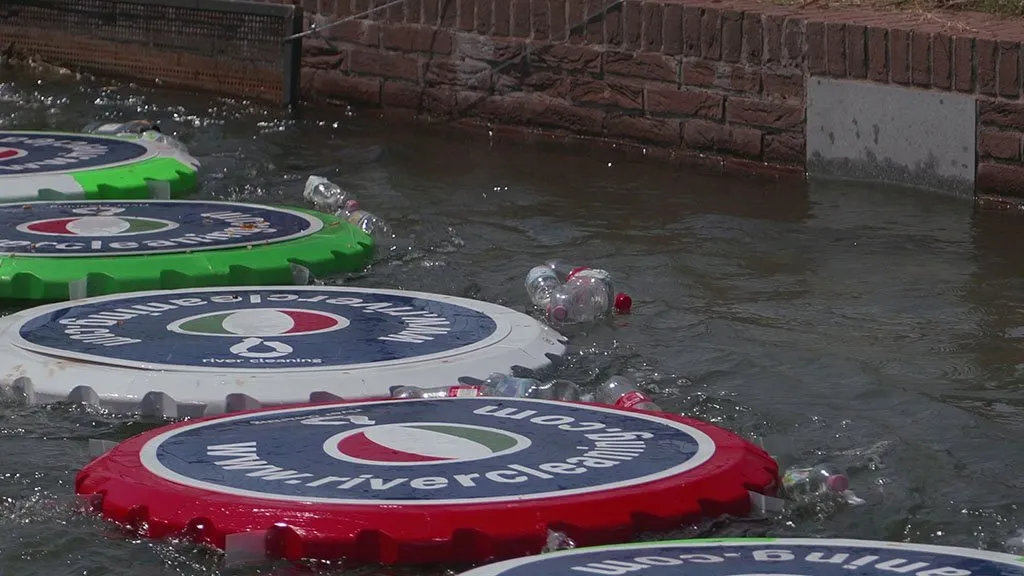
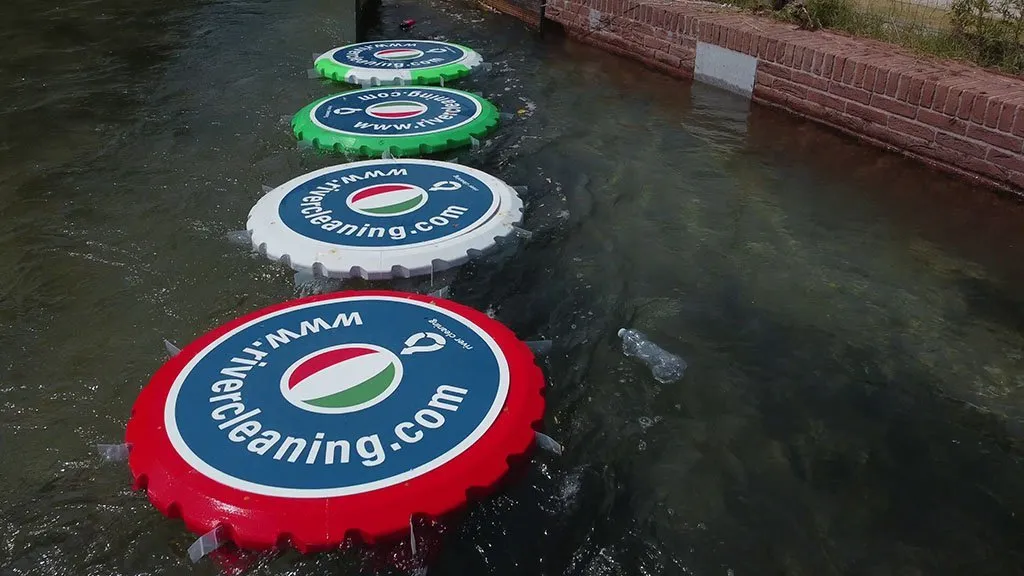
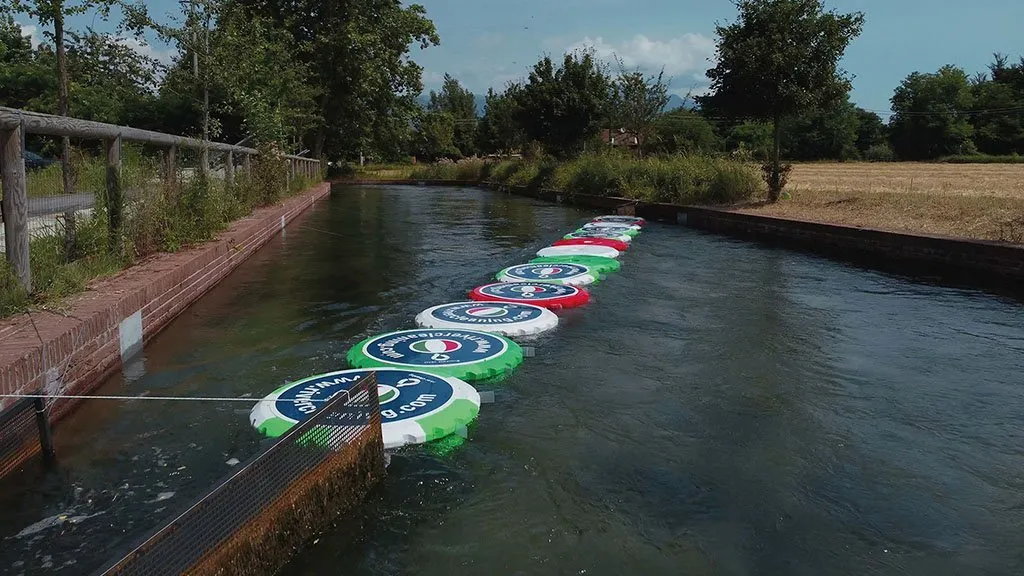
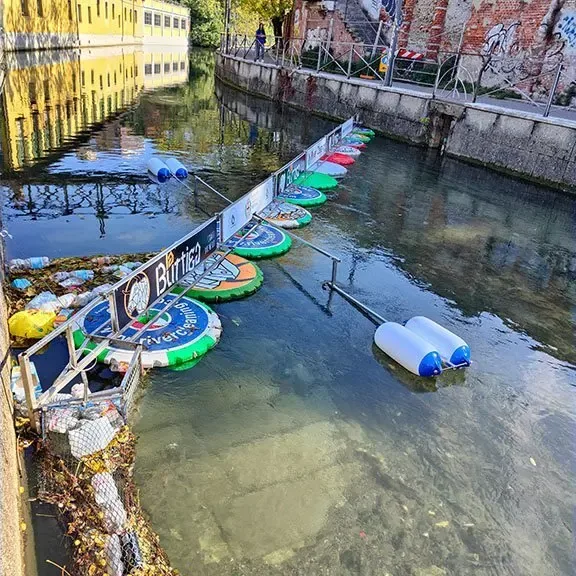
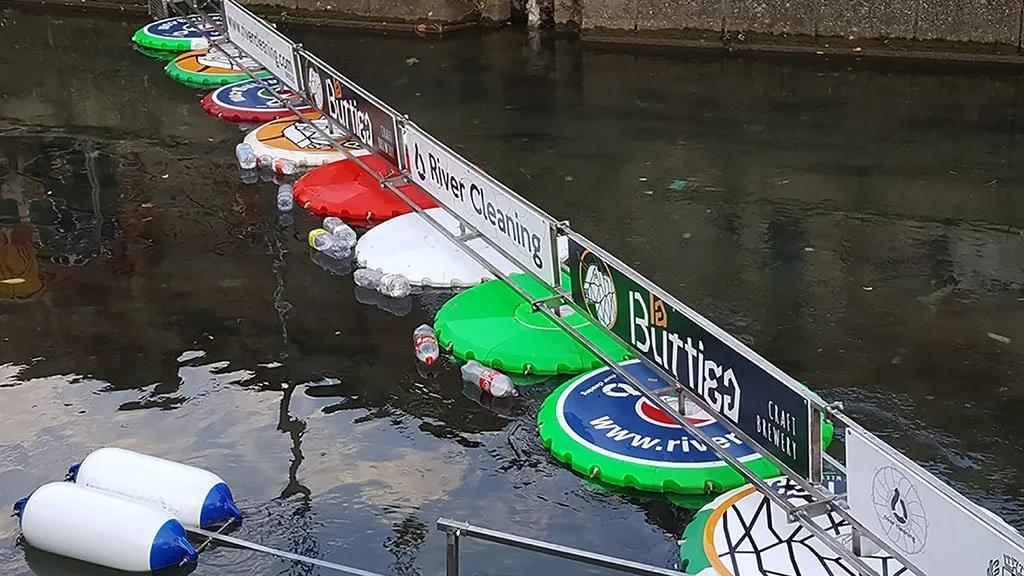
The system consists of floating cogs or buoys arranged diagonally across the river, directing waste to a storage area on the riverbank.
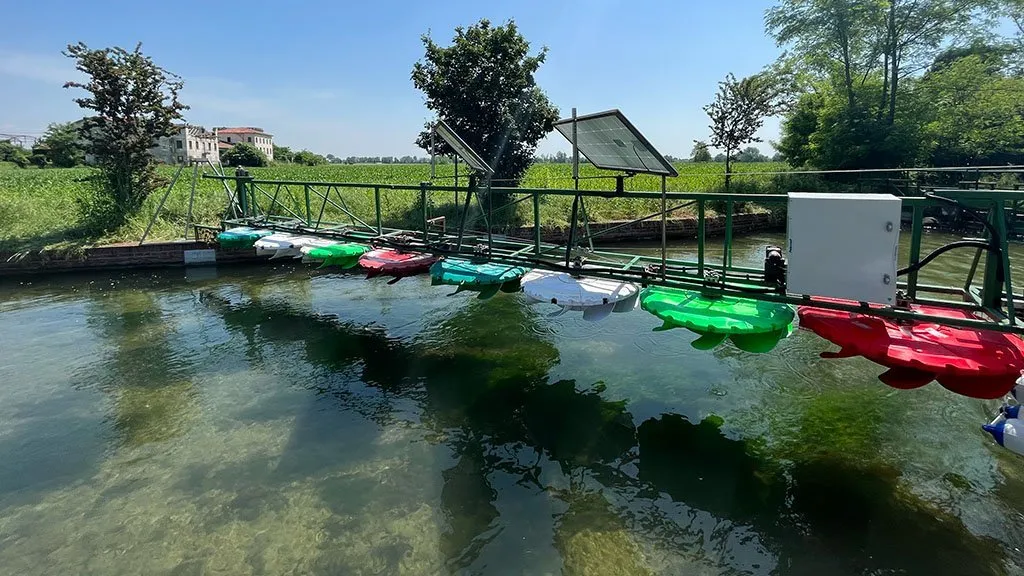
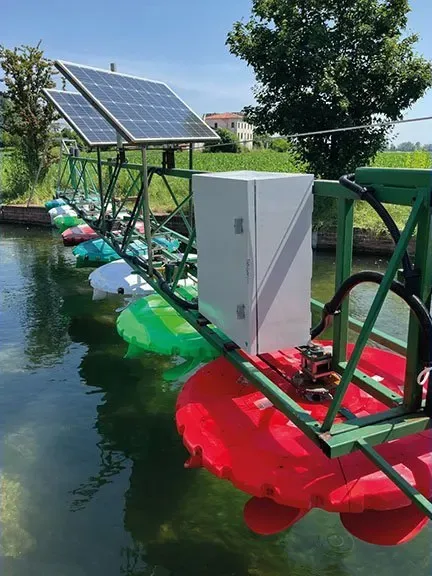
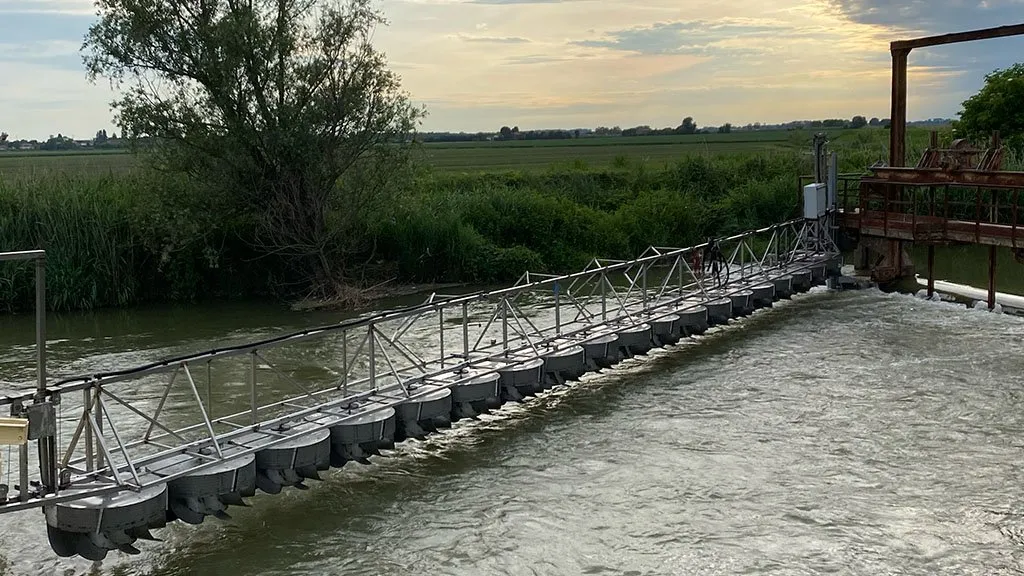
It operates autonomously 24/7 and is self-powered, utilising the river’s current to spin the buoys via submerged turbine blades, ensuring zero environmental impact.
The design allows boats to pass, preventing navigational disruptions, and is robust enough to withstand contact with various vessels.
The cogs are scalable, allowing customisation based on river size, current strength, and specific environmental conditions.
There are two versions of the system: one anchored on the riverbed and another anchored from above, each tailored to specific site requirements.
The underwater-anchored system involves buoys attached with cables to a structure at the riverbed, providing stability and flexibility.

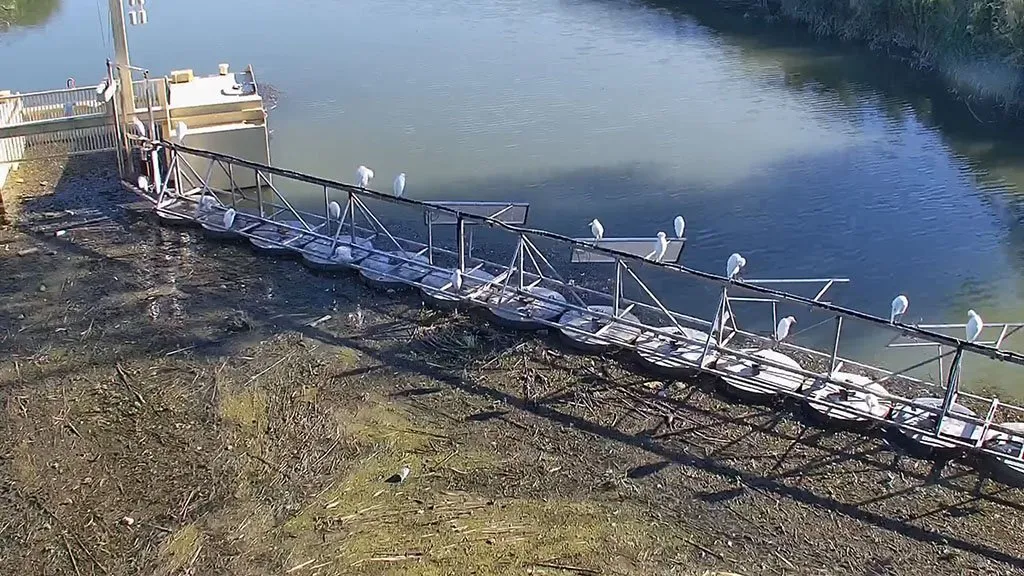
The overhead-anchored system uses a truss structure, keeping devices aligned, and is suitable for waterways with larger vessels.
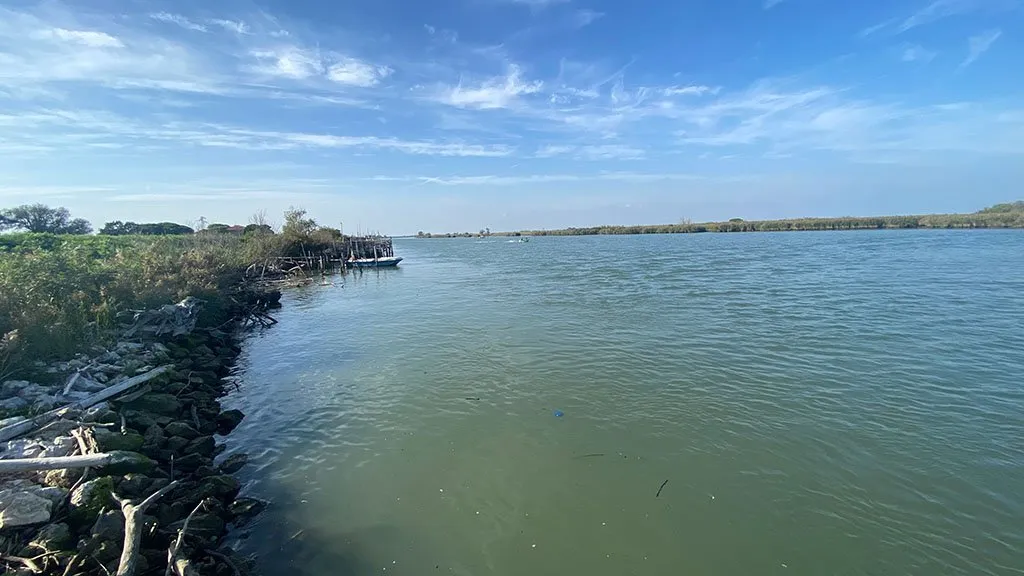
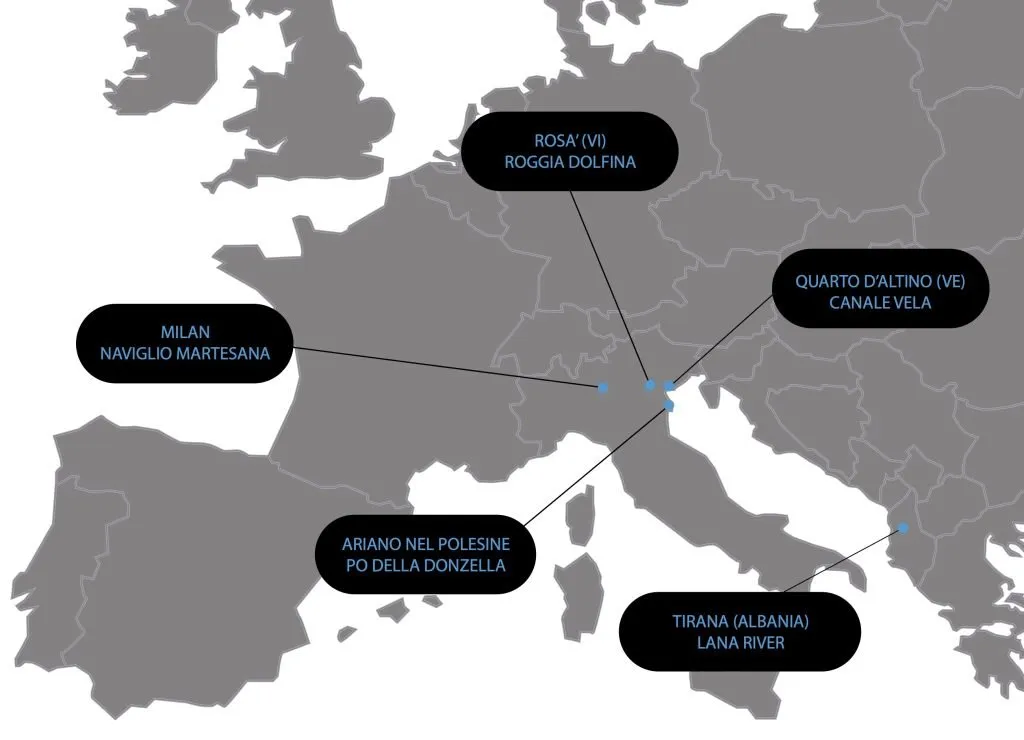
In June 2021, River Cleaning conducted a pilot test in Rosà, Italy, recovering over 100 kg of waste, including plastic bottles and other debris.
In May 2022, the Rosà system was upgraded with surface anchoring, energy generation, and remote operation capabilities, serving as an open-air laboratory.
The Naviglio Martesana in Milan saw an installation in September 2022, endorsed by local authorities, raising public awareness during Milan Green Week.
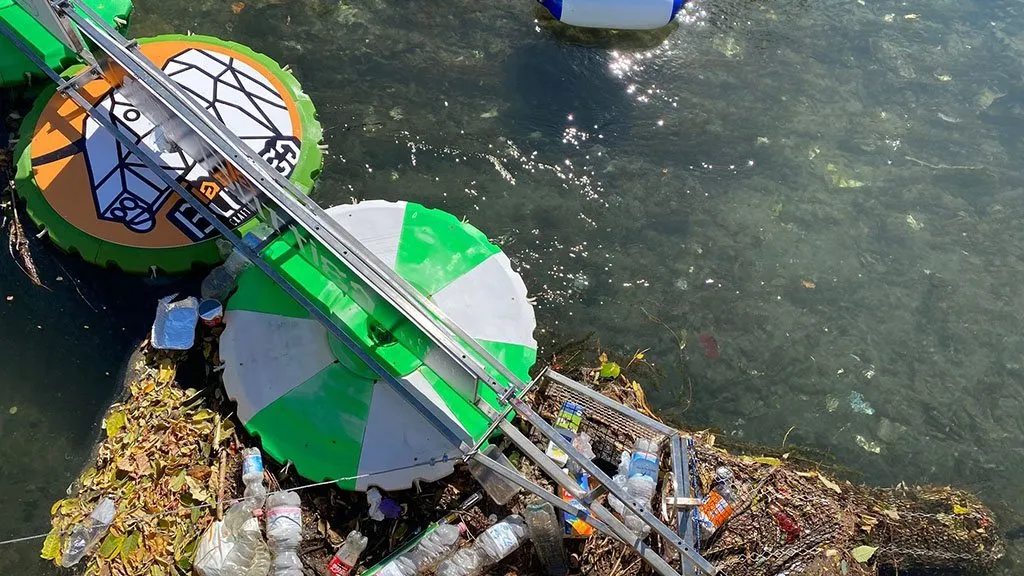
In June 2023, the Vela 01 system was installed in Venice with stainless steel modules and grids to prevent algae accumulation, reducing waste into the Adriatic Sea.
This Venice installation, part of the Interreg Italy-Croatia project “MarLESS,” features bi-directional waste recovery using tidal movements.
The “REMEDIES” project in Tirana, Albania, set for summer 2024, aims to reduce Mediterranean plastic pollution, supported by the European Commission’s Horizon Europe programme.
Another installation, planned for autumn 2024 in Ariano nel Polesine, Italy, involves a fully automated system with waste analysis via machine learning.
This Po Delta installation is part of the Horizon Europe-funded “INSPIRE” project, integrating research and practical actions to restore waters by 2030.
River Cleaning’s approach aims to reduce the risk of blockages, ensuring minimal maintenance and rapid repairs, and providing effective solutions for diverse river conditions.
More info
You may also be curious about:
-

‘Space archaeology’ reveals first dynamic history of a giant spiral galaxy
-
Thousands of pico-satellites may transform how phones connect to space
-
Barcelona’s Low Emission Zone reduces NO₂ levels
-
Neuroadaptive VR treatment for arachnophobia
-
The freshwater hidden beneath the Great Salt Lake
-
Moby Dick ‘ship sinking’ sperm whales caught headbutting on camera
-
Changing shower and toilet habits could help close England’s 5 billion litre water gap, Surrey-led research finds
-

Is your brain aging faster than you are? Sleep may hold the key
-
Initial tests find lead in children’s fast-fashion clothing
-
Aquatic plant reduces antibiotics in water and genetic damage in fish
-

When the Earth moved
-
Turning sawdust into fire-resistant, eco-friendly materials using watermelon seeds